

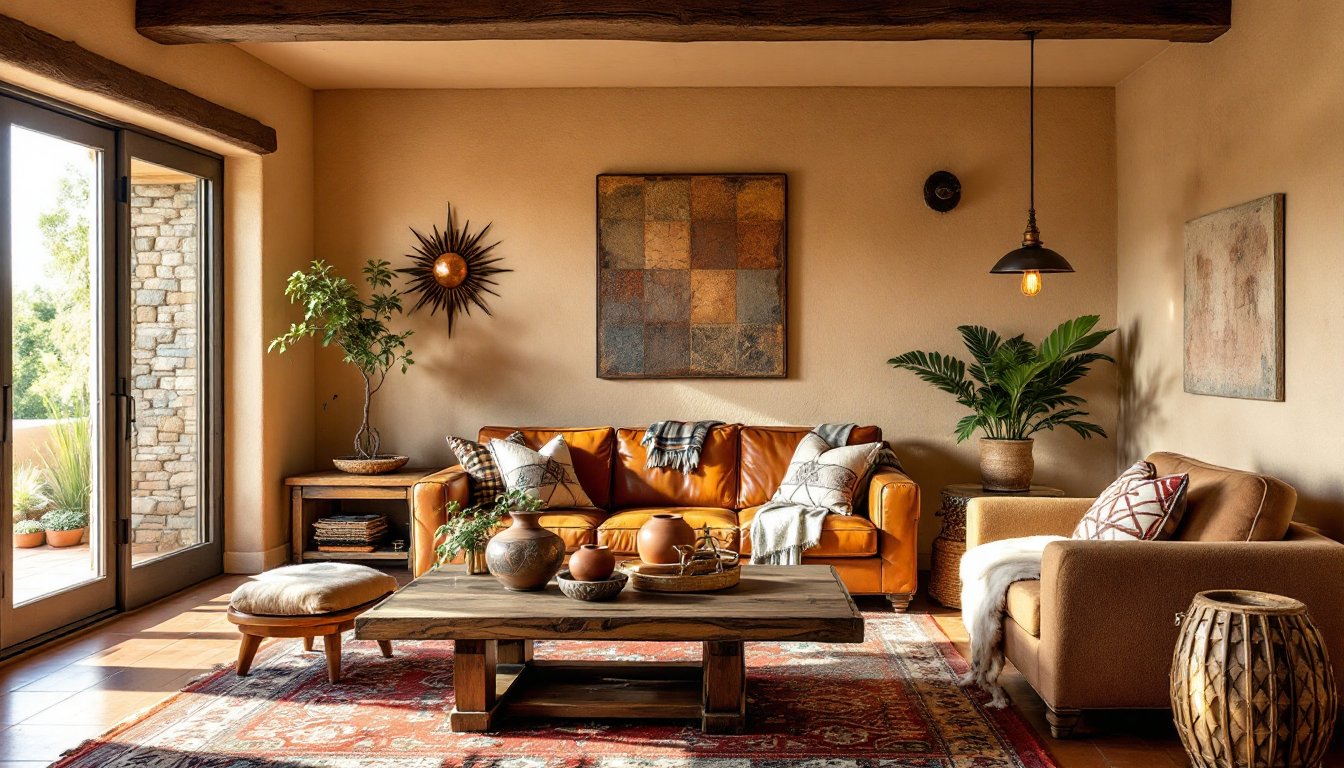
Southwestern Interior Design: Your Guide to Creating a Warm Desert-Inspired Home
Southwestern interior design captures the rugged beauty of the American Southwest, think sun-baked adobe walls, handwoven textiles, and the kind of warmth that comes from natural materials aged by desert winds. Unlike trendy styles that fade, this design approach has roots in centuries-old Spanish Colonial, Native American, and Mexican influences, making it both timeless and deeply practical for modern homes. Homeowners don’t need to live in Arizona or New Mexico to pull off authentic southwestern style. With the right materials, color choices, and furnishings, anyone can transform a space into a desert retreat that feels grounded, lived-in, and genuinely inviting.
Key Takeaways
- Southwestern interior design blends centuries-old Spanish Colonial, Native American, and Mexican influences into a timeless aesthetic that relies on natural materials like adobe, saltillo tile, and exposed wood beams (vigas).
- Authentic southwestern design prioritizes earthy color palettes—terracotta, adobe tan, and rust—with turquoise accents, applied in matte finishes to avoid the polished look of contemporary interiors.
- You can achieve southwestern style in any climate by starting with high-impact foundational elements like textured walls, authentic flooring, and wrought iron fixtures before layering in handcrafted textiles and furniture.
- Heavy, low-profile furniture with distressed finishes, such as equipale chairs and mesquite tables, defines southwestern spaces and works best when avoiding overstuffed sectionals or tall headboards.
- Warm, indirect lighting using Edison-style bulbs in wrought iron or mica-shade fixtures, paired with intentional decor displays like Navajo rugs and terracotta pottery, creates a collected, lived-in atmosphere.
What Is Southwestern Interior Design?
Southwestern interior design is a regional aesthetic rooted in the architecture and craft traditions of the American Southwest. It blends Spanish Colonial mission-style elements, Native American artistry, and Mexican decorative motifs into a cohesive look that emphasizes handcrafted details, natural materials, and earthy tones.
Unlike modern southwestern interior design, which sometimes leans minimalist or incorporates contemporary furniture, traditional southwest interior design stays true to rustic, heavy wood pieces, exposed beams (vigas), and terracotta tile floors. Both approaches share core principles: warmth, texture, and a connection to the desert landscape.
Key architectural features often include stucco or adobe walls, rounded corners, and wooden ceiling beams (usually rough-hewn or reclaimed). Floors are typically saltillo tile, terracotta pavers, or wide-plank wood. These aren’t just aesthetic choices, materials like adobe and tile offer thermal mass, keeping interiors cooler in summer heat, a practical consideration inherited from centuries of desert building.
Key Elements That Define Southwestern Style
Natural Materials and Textures
Southwestern interiors rely heavily on natural, unfinished materials that show age and character. Expect to see:
- Adobe or stucco walls: True adobe is mud brick: modern alternatives use stucco over frame construction to mimic the look.
- Exposed wood beams (vigas): Traditionally ponderosa pine or fir, left rough or lightly sanded. Beams should be 6×6 or larger for visual heft.
- Terracotta and saltillo tile: Saltillo tiles are handmade Mexican clay pavers, typically 12×12 inches, with natural color variation. They require sealing with a penetrating sealer to prevent staining.
- Wrought iron: Used in light fixtures, stair railings, and hardware. Look for hand-forged pieces with visible hammer marks.
- Leather and woven textiles: Rawhide chairs, Navajo rugs, and serape blankets add layered texture.
Texture is as important as material. Walls might be hand-troweled with a skip-trowel or knockdown texture to create subtle variation. Avoid smooth, builder-grade drywall finishes, they read too modern.
Earthy Color Palettes
Southwestern color schemes mirror the desert at different times of day. Core colors include:
- Terracotta, clay, and rust: Warm, grounding tones pulled from natural clay and sandstone.
- Adobe tan and sand: Neutral base colors for walls, often applied with a flat or matte finish to mimic traditional plaster.
- Turquoise and teal: Accent colors inspired by Native American jewelry and desert skies. Use sparingly, on throw pillows, pottery, or a single accent wall.
- Deep browns and charcoal: Found in dark wood furniture, wrought iron, and stone accents.
Paint sheen matters. Walls should be flat or eggshell to avoid the polished look of contemporary interiors. Ceiling beams can be stained dark (think Jacobean or ebony) or left natural, depending on the room’s brightness.
Avoid cool grays, bright whites, or pastels, they clash with the inherent warmth of southwestern style. If lighter walls are needed, choose warm off-whites with yellow or pink undertones (e.g., Navajo White or Adobe Cream).
How to Incorporate Southwestern Design in Your Home
Start with architectural bones if the budget allows. Adding exposed ceiling beams makes the biggest impact. For a DIY approach, homeowners can install faux vigas made from reclaimed barn wood or box beams built from 1×6 or 1×8 pine boards stained dark and mounted to ceiling joists with lag bolts. Space them 3 to 4 feet apart for a traditional look. Always locate joists with a stud finder and use appropriate fasteners, beams are decorative, but they need to be secure.
Flooring is the next priority. Saltillo tile or terracotta pavers are authentic but require proper substrate prep. Tile should be laid over cement backer board on a level subfloor, with thinset mortar rated for high-traffic areas. Tiles are porous and must be sealed before grouting, use a penetrating sealer and reapply annually in high-traffic zones. For a budget alternative, luxury vinyl plank (LVP) in terracotta or wood-look finishes offers easier installation and lower maintenance.
Walls can be textured with joint compound applied in a skip-trowel or Spanish lace pattern. This is a messy but forgivable DIY project, imperfections add character. Apply compound with a 12-inch trowel in random arcs, then lightly knock down high spots with a clean trowel once the compound begins to set. Paint with a warm, flat-finish color.
Incorporate wrought iron through light fixtures and hardware. Swapping out builder-grade door handles for oil-rubbed bronze or black iron lever sets takes minutes and costs under $20 per door. Pendant lights with hammered metal shades or punched tin details work well over kitchen islands.
Textiles bring warmth without construction. Layer Navajo-style rugs (wool, with geometric patterns in rust, turquoise, and cream) over tile or wood floors. Drape serape blankets over furniture or hang them as wall art. Look for handwoven pieces at estate sales or regional craft markets, machine-made knock-offs lack the texture and color depth of authentic work.
Furniture and Decor Choices for Authentic Southwestern Spaces
Southwestern furniture is heavy, solid, and low-profile. Key pieces include:
- Equipale chairs: Traditional Mexican chairs with pigskin or leather stretched over a cedar frame. Comfortable but best for dry climates, humidity can loosen the leather.
- Rustic wood tables and benches: Look for mesquite, pine, or reclaimed barn wood with visible grain and imperfections. Avoid glossy finishes: opt for matte oil or wax instead.
- Carved wooden cabinets and armoires: Often featuring chip-carving or relief details. Pieces should feel handmade, not machine-milled.
- Leather sofas and chairs: Full-grain leather in cognac, saddle tan, or espresso. Distressed finishes are appropriate, this style embraces wear.
Furniture should sit close to the ground. Overstuffed sectionals and tall headboards disrupt the horizontal lines that define southwestern interiors.
Decor pulls from Native American, Spanish, and Mexican craft traditions:
- Pottery and ceramics: Talavera tiles (hand-painted Mexican ceramic), terracotta pots, and Pueblo-style black-on-black pottery.
- Woven baskets: Coiled baskets in natural fibers, often displayed on walls or atop cabinets.
- Metal wall art: Hammered copper suns, tin mirrors, or wrought iron crosses.
- Kachina dolls and folk art: Authentic pieces are collectible: reproduction decor should be high-quality to avoid a souvenir-shop look.
Lighting should feel warm and indirect. Use Edison-style bulbs (2200K-2700K color temperature) in wrought iron or mica-shade fixtures. Avoid recessed can lights, they’re too contemporary. Wall sconces with punched tin or amber glass shades add authentic character.
Avoid clutter. Southwestern design thrives on intentional, curated displays, a single Navajo rug, a cluster of terracotta pots, or a hand-carved wooden santo (saint figure) carries more weight than a wall full of mass-produced decor.
Conclusion
Southwestern interior design works because it prioritizes materials and craftsmanship over trends. Homeowners who commit to natural textures, earthy palettes, and handcrafted details create spaces that feel rooted and warm, no desert location required. Start with one room, focus on foundational elements like flooring and wall texture, and layer in authentic furnishings and textiles over time. The result is a home that feels collected, lived-in, and genuinely personal.