

Western Gothic Interior Design: How to Create a Hauntingly Beautiful Frontier Aesthetic
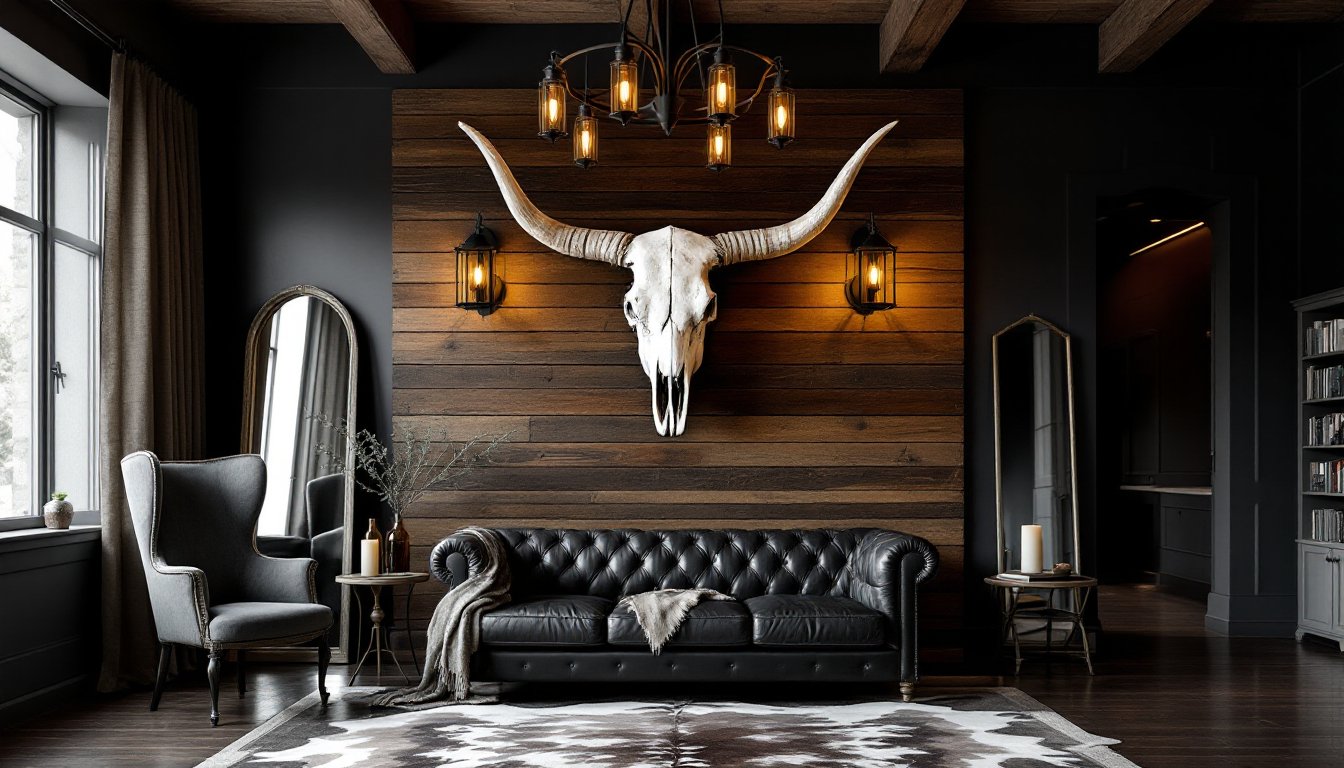
Western Gothic interior design merges the rugged, sun-bleached spirit of the American frontier with the moody, ornate drama of Gothic architecture. Think weathered barn wood against wrought iron, antler chandeliers casting shadows over velvet upholstery, and skull motifs paired with Victorian lace. It’s not for those who like beige walls and safe choices. This style appeals to homeowners drawn to darker, more atmospheric spaces, places that feel like they have stories to tell, whether that’s a reimagined ranch house or an urban loft channeling frontier mystique. Creating this aesthetic requires balancing rough textures with refined details, and knowing when to lean into drama without tipping into theme-park territory.
Key Takeaways
- Western Gothic interior design blends the raw, utilitarian aesthetics of the American frontier with the ornate drama of Gothic Revival to create moody, atmospheric spaces with authentic character.
- Dark, weathered wood, wrought iron, and rough textures form the foundation of Western Gothic style, while Victorian furniture silhouettes and architectural elements add refined contrast without sacrificing edge.
- Color palettes should embrace deep charcoals, warm grays, and natural accents like rust and bone white, while avoiding pure black and shiny metallics in favor of tarnished, aged finishes that feel organic and historic.
- Strategic lighting using Edison bulbs, antler chandeliers, and multiple layered light sources creates pools of shadow essential to Western Gothic’s moody atmosphere and dramatic visual impact.
- Western Gothic interiors succeed through intentional, curated accessories—vintage maps, ethical taxidermy, leather-bound books, and found metalwork—rather than maximalist decoration that feels like an obvious theme.
What Is Western Gothic Interior Design?
Western Gothic fuses two seemingly opposite design traditions: the sparse, utilitarian aesthetic of the Old West and the ornate, melancholic elegance of Gothic Revival. It borrows the raw materials of frontier life, reclaimed barn siding, leather, iron hardware, cattle skulls, and layers in Gothic’s love of shadow, drama, and historical reference.
Unlike traditional Western or rustic design, which often skews bright and open, Western Gothic embraces darker palettes, heavier drapery, and mood lighting. It’s less “ranch chic” and more “haunted homestead.” The style often incorporates Victorian-era furniture silhouettes, ecclesiastical metalwork, taxidermy, and references to mortality (skulls, bones, aged portraits) alongside Southwestern motifs like Navajo textiles or hand-forged iron.
This isn’t a style with rigid rules documented in design history books. It’s emerged more recently through interior designers, film set aesthetics (think Westworld meets Gothic horror), and homeowners looking to blend regional Western identity with darker, more theatrical tastes. The result feels both rooted in American history and vaguely timeless, like stepping into a saloon that’s been abandoned for a century, then carefully restyled by someone with excellent taste.
Key Elements That Define Western Gothic Style
Dark, Weathered Wood and Rustic Textures
Reclaimed wood forms the backbone of Western Gothic interiors. Look for barn siding, fence posts, or salvaged floor joists with deep patina, nail holes, and weathering. Actual dimensions matter: 1×6 or 1×8 tongue-and-groove pine works well for accent walls, while thicker 2×10 or 2×12 planks can become mantels or floating shelves.
Installation requires attention to moisture content. Let reclaimed lumber acclimate indoors for at least 72 hours before fastening to prevent warping. Use a moisture meter: readings should be between 6-9% for interior use. For accent walls, fasten boards directly to studs with 2-inch finish nails or construction adhesive if the wall is already drywalled. Skip the polyurethane, Western Gothic thrives on matte, unfinished surfaces that show age.
Pair wood with other rough textures: full-grain leather (not bonded), raw linen, burlap, or cowhide rugs. Avoid anything too polished or contemporary. The goal is to make the space feel like it’s earned its character through decades of use, not a weekend at HomeGoods.
Victorian Gothic Meets Frontier Aesthetics
The tension between ornate Victorian details and rough-hewn frontier materials is what makes Western Gothic compelling. Wrought iron appears in curtain rods, stair railings, candle sconces, and bed frames, preferably with hand-forged details or a matte black powder-coat finish. Cast iron works too: think vintage radiators, cookware displayed on open shelving, or salvaged grates used as wall art.
Architectural elements borrowed from Gothic Revival include pointed arch doorways (if you’re renovating and can rework framing), exposed beam ceilings, and lancet windows. For renters or those not doing structural work, replicate the feeling with arched mirrors, church-style candle holders, and tall, narrow artwork.
Victorian furniture silhouettes, tufted settees, claw-foot tables, carved wood headboards, get reupholstered in darker, heavier fabrics. Swap out floral chintz for charcoal velvet, oxblood leather, or even Pendleton wool blankets in muted plaids. The furniture should feel substantial, not delicate. If a piece looks like it would survive a bar fight, it fits.
Color Palettes for Western Gothic Interiors
Western Gothic rejects the bright turquoise and terracotta common in Southwestern design. The palette pulls from both desert landscapes at dusk and Victorian mourning traditions.
Base colors include deep charcoal, near-black browns, and warm grays. For paint, look at shades like Iron Ore (Sherwin-Williams) or Kendall Charcoal (Benjamin Moore). These read almost black in low light but reveal warmth in natural daylight. One gallon covers roughly 350-400 square feet, so a standard 12×14 room needs about two gallons for two coats.
Accent colors come from nature: rust (oxidized metal, red rock), bone white (bleached skulls, sun-dried wood), dusty sage (sagebrush, aged copper patina), and deep burgundy (dried blood, old velvet). Use these sparingly, a single rust-colored accent wall, bone-white trim against dark walls, or burgundy throw pillows on a black leather sofa.
Avoid pure black: it reads flat and modern. Instead, use off-blacks with brown or green undertones to maintain the organic, aged feel. Test paint samples in both natural and artificial light, Western Gothic spaces tend to be dimly lit, so colors shift dramatically.
Metallic finishes should look tarnished, not shiny. Oil-rubbed bronze, blackened steel, and aged brass work better than polished nickel or chrome. If using metallics in textiles (like a throw pillow with metallic thread), choose antique gold or tarnished silver tones.
Furniture and Decor Essentials
Start with large, anchoring pieces that set the tone. A leather Chesterfield sofa in dark brown or black works, as does a reclaimed wood dining table with wrought iron legs. Avoid anything with slim, tapered mid-century legs, furniture should feel heavy and grounded.
Seating should mix textures: a wooden bench with a cowhide cushion, a Victorian-style armchair reupholstered in charcoal linen, or Windsor-back chairs around a farmhouse table. If the piece has visible joinery (mortise-and-tenon, dovetails), that’s a plus.
For case goods (dressers, cabinets, bookcases), prioritize solid wood over veneer. Distressed finishes, visible wood grain, and iron hardware (strap hinges, ring pulls) fit the aesthetic. Apothecary cabinets, vintage trunks, and industrial metal lockers also work, Western Gothic borrows freely from adjacent styles as long as the overall mood stays dark and layered.
Lighting is critical. Swap out overhead fixtures for wrought iron chandeliers, antler chandeliers (real or resin, depending on budget and ethics), or Edison bulb pendants with caged fixtures. Aim for warm white bulbs (2700K) to avoid the cold, clinical feel of daylight LEDs. Use multiple light sources at different heights, table lamps with fabric shades, wall sconces, candles, to create pools of light and shadow.
Avoid: anything too sleek, white lacquer, glass-and-chrome combos, or furniture that looks like it belongs in a Scandinavian minimalist space. If it photographs well in bright, white light, it’s probably wrong for Western Gothic.
How to Style Your Space with Western Gothic Accessories
Accessories seal the deal, but restraint matters. Western Gothic isn’t maximalist, it’s curated and intentional. Each object should feel like it has a backstory, whether real or implied.
Textile layers add warmth without softening the edge. Drape a Navajo-style blanket over the back of a sofa, hang heavy linen or velvet curtains (floor-to-ceiling, in charcoal or rust), and layer cowhide or sheepskin rugs over hardwood or concrete floors. Avoid anything too precious, these textiles should look like they could take some wear.
Wall art and decor should lean into the macabre and historical. Vintage botanical prints (especially of thorny or poisonous plants), framed antique maps of the frontier, black-and-white photography of ghost towns, or original oil paintings in ornate frames all fit. Cattle skulls, antlers, or taxidermy (ethically sourced or vintage) serve as sculptural elements. Mount a skull above a fireplace mantel or use smaller bones in a shadow box.
Metalwork and found objects add texture: horseshoes, old branding irons, railroad spikes, vintage lanterns, or wrought iron crosses. Display them on open shelving or hang them as wall art. A collection of old glass bottles (amber, green, cobalt) on a windowsill catches light without feeling too decorative.
Books matter. Stack vintage leather-bound books on coffee tables or fill bookcases with Western history, Gothic literature, folklore, or field guides. Visible spines in dark colors (burgundy, forest green, black) reinforce the palette.
Safety note: If using real candles (pillar candles in iron holders are ideal), never leave them unlit near textiles or wood. For mood without risk, use battery-operated flameless candles with timers.
Finally, resist the urge to explain the theme with obvious signs or overly literal decor. Western Gothic works best when it feels organic, not like a set designer went wild. Less “Wanted” posters, more shadows and texture.