

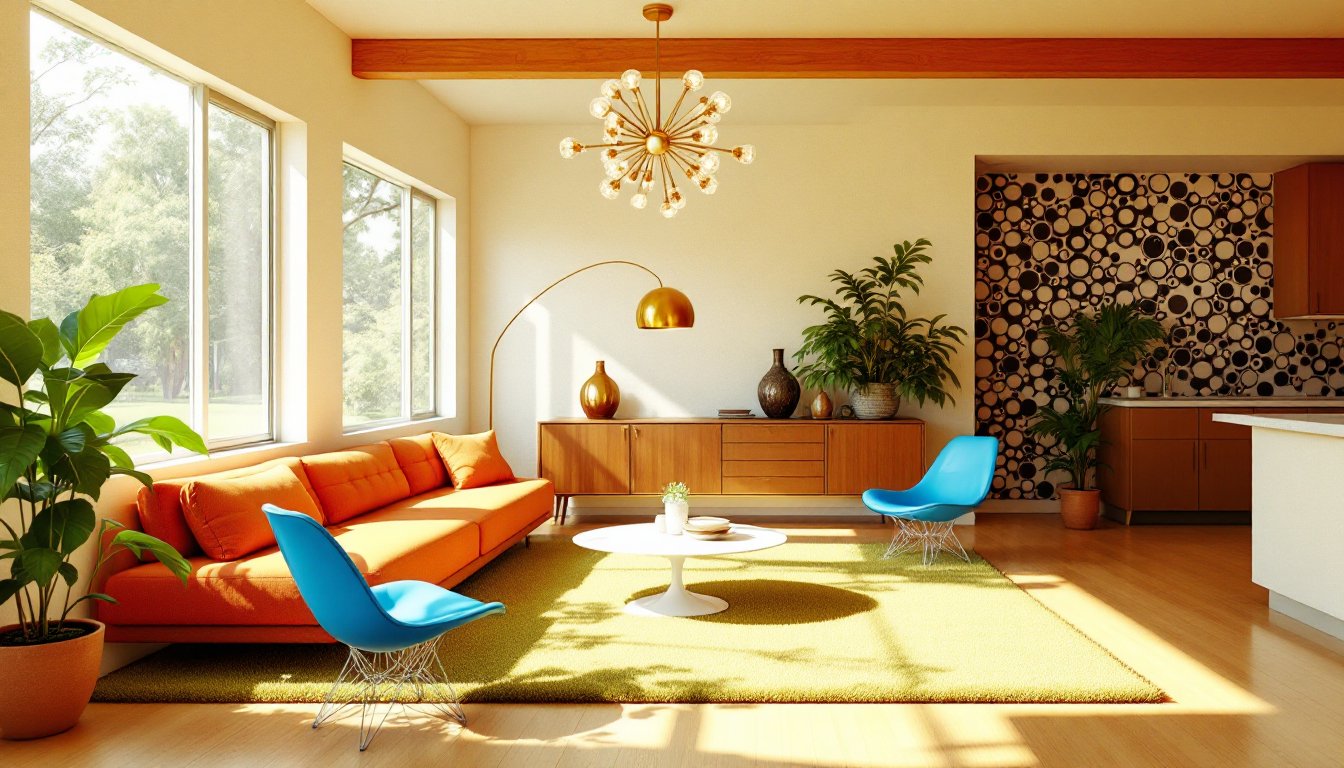
1960s Interior Design: The Bold Era That Redefined Modern Home Style
The 1960s didn’t just change music and fashion, it revolutionized how Americans thought about their living spaces. This decade broke from the restrained elegance of the ’50s and embraced bold color, sculptural furniture, and a forward-thinking optimism that still influences designers today. From sunken living rooms to molded plastic chairs, ’60s interiors were experimental, playful, and unapologetically modern. Understanding this era’s design language helps homeowners recognize architectural features worth preserving and offers inspiration for anyone looking to add character and personality to contemporary spaces without resorting to bland minimalism.
Key Takeaways
- 1960s interior design revolutionized living spaces by breaking from ’50s restraint with bold color, sculptural furniture, and experimental layouts that still inspire contemporary design today.
- Iconic 1960s interior design elements include sunken conversation pits, shag carpeting, modular furniture, and space-age fixtures like Sputnik chandeliers that reflect both modernism and Space Race optimism.
- Color palettes ranged from earthy naturals like avocado green and harvest gold in early-’60s kitchens to vibrant mid-decade primaries and psychedelic brights, best applied as accent walls or pops of color against neutral backdrops.
- Authentic teak furniture, molded plastic chairs, and mid-century pieces remain collectible, but reupholstering vintage items ($400–$1,200) is often necessary due to foam deterioration and modern safety standards.
- Incorporate 1960s style selectively into modern homes by starting with one or two key furniture pieces, testing era-inspired paint colors under actual lighting conditions, and balancing vintage elements with contemporary design to avoid a theme-like appearance.
What Defined 1960s Interior Design?
The 1960s marked a sharp departure from postwar conformity. Interiors embraced open floor plans, removing walls to create flowing, multifunctional spaces, a concept that required careful consideration of load-bearing walls and often structural beams or steel headers to maintain integrity.
Conversation pits became a signature feature: sunken seating areas framed by built-in sofas, often carpeted and bordered by planters. These required excavating the subfloor and adding steps, which presented challenges for homes on slab foundations. Shag carpeting, typically with pile heights of 1.5 to 2 inches, covered floors in bedrooms and living areas, muffling sound but trapping dirt and requiring specialized rake tools for maintenance.
Lighting shifted from ornate chandeliers to sculptural fixtures, arc floor lamps with chrome or brass stems, globe pendants in smoked acrylic, and recessed can lights for ambient glow. Texture played a major role: walls featured grasscloth, cork panels, or rough-sawn wood planks. Ceilings dropped with acoustic tiles or exposed beams, while room dividers made of carved wood screens or hanging beads defined spaces without solid barriers.
The decade favored clean lines and geometric forms. Angular furniture, low-profile seating, and modular shelving units reflected both the influence of Scandinavian modernism and the Space Race optimism that permeated American culture.
Key Color Palettes and Patterns of the Decade
Color in the 1960s fell into two camps: earthy naturals and psychedelic brights. Early in the decade, avocado green, harvest gold, and burnt orange dominated kitchens and living rooms, often paired with dark walnut wood tones. These hues appeared in appliances, cabinetry, and upholstery, Formica countertops in these shades are still found in original-condition homes.
By mid-decade, bold primaries and neon accents took over. Hot pink, electric blue, lemon yellow, and tangerine appeared on accent walls and furniture. These colors worked best with ample natural light: in darker rooms, they could feel oppressive. Designers often used them as pops against neutral backdrops, white walls with a single coral statement wall, for instance.
Patterns leaned heavily geometric: op art designs with concentric circles, zigzags, and optical illusions appeared on wallpaper, textiles, and laminate surfaces. Floral prints took on an oversized, stylized quality, think bold daisy motifs rather than delicate English gardens. Stripes ran in unexpected directions, and paisley surged in popularity thanks to the counterculture movement.
Paint finishes were typically latex-based satin or semi-gloss, as these were easier to clean than flat finishes. Coverage ran about 350-400 square feet per gallon, standard for interior paints then and now. When replicating these palettes today, homeowners should test colors in the actual space, period hues can read differently under LED lighting compared to the incandescent bulbs common in the ’60s.
Iconic Furniture Styles and Materials
1960s furniture embraced molded materials and fluid forms. Fiberglass shell chairs, popularized by designers like Eero Saarinen and Charles Eames, featured single-piece construction on pedestal or wire bases. These pieces were lightweight, stackable, and came in vibrant colors. Original examples are collectible: reproductions are widely available but vary in quality, look for ones with proper reinforcement at stress points.
Tulip tables with cast aluminum bases and laminate or marble tops became dining room staples. The single-pedestal design eliminated corner legs, creating a cleaner profile and easier floor cleaning. Authentic mid-century versions used higher-grade materials than many modern knock-offs.
Upholstered seating sat low to the ground with minimal legs, often just 4 to 6 inches of clearance. Sofas featured tufted cushions, tapered wood legs in walnut or teak, and boxy silhouettes. Teak became the wood of choice for case goods, credenzas, sideboards, and dressers, prized for its tight grain and natural oil content that resisted water damage. Original teak pieces require only occasional oiling with teak oil or Danish oil: avoid polyurethane, which obscures the wood’s natural warmth.
Modular furniture allowed customization: sectional sofas, stackable storage cubes, and wall-mounted shelving systems in teak or rosewood. These pieces adapted to smaller urban apartments and changing household needs.
Plastic became a legitimate furniture material. Acrylic (Lucite) appeared in coffee tables, chairs, and shelving, transparent pieces that didn’t visually clutter tight spaces. Molded plywood in bentwood forms offered both strength and sculptural appeal, used in dining chairs and lounge seating.
Space-Age Influence and Futuristic Elements
The Space Race fueled a fascination with futuristic design. Furniture took on pod-like forms, the Egg Chair and Ball Chair enclosed sitters in sculptural shells, upholstered in vinyl or wool and mounted on swivel bases. These weren’t just conversation pieces: their curved forms provided acoustic privacy in open-plan homes.
Chrome and metallics dominated hardware and accents. Table bases, light fixtures, and cabinet pulls featured polished chrome or brushed aluminum. Bar carts on casters with multiple glass or acrylic tiers rolled through living rooms, their reflective surfaces amplifying light.
Lighting took on sculptural, orbiting forms: pendant fixtures with multiple glass globes arranged like planets, Sputnik chandeliers with radiating arms tipped in bulbs, and floor lamps with adjustable arms in enameled metal. Many original fixtures used incandescent bulbs and aren’t compatible with LED retrofits without rewiring, something to note when sourcing vintage pieces.
Plastic and vinyl weren’t considered cheap, they represented technological progress. Inflatable furniture in clear or colored PVC became popular, though most originals have deteriorated. Modern reproductions use more durable TPU materials.
Colors shifted to white, silver, and metallics in space-age interiors, contrasting with the warmer earth tones elsewhere in the decade. Paired with glossy finishes and smooth surfaces, these palettes created a clinical, futuristic aesthetic that felt optimistic rather than cold.
Homeowners incorporating these elements today should balance them carefully. One statement piece, a Sputnik chandelier or Egg Chair, can anchor a room without turning it into a theme park.
How to Incorporate 1960s Design into Your Home Today
Bringing ’60s style into a modern home requires restraint. The goal isn’t recreation, it’s selective integration that respects current building standards and livability.
Start with one or two key furniture pieces. An original teak credenza works as a media console or dining buffet. Molded plastic chairs fit into contemporary dining rooms without feeling costume-y. Authentic pieces run $200-$2,000 depending on condition and provenance: reproductions start around $150.
Color offers an easier entry point. Paint an accent wall in burnt orange or avocado green, but keep the rest neutral. Modern paint formulations offer better coverage and lower VOCs than period paints, brands like Benjamin Moore and Sherwin-Williams have colors inspired by the era. Test samples in north- and south-facing rooms: these hues shift dramatically with natural light.
Textiles add instant ’60s flavor without commitment. Throw pillows in geometric patterns, a vintage area rug with op-art motifs, or curtains in bold florals introduce color and pattern. When sourcing vintage textiles, check for moth damage, staining, and odor, many fabrics from this era were wool or cotton and require professional cleaning.
For lighting, swap a standard fixture for a Sputnik-style chandelier or arc floor lamp. Ensure the electrical box is rated for the fixture’s weight: chandeliers over 50 pounds may require a pancake box or additional bracing attached to a ceiling joist. Work involves shutting off power at the breaker and may require a licensed electrician depending on local codes.
Wallpaper in geometric or oversized floral patterns makes a dramatic statement. Modern peel-and-stick options simplify installation and removal, but traditional paste-the-wall wallpaper offers more authentic texture. Plan for waste, order 15% extra to account for pattern matching.
Mixing Vintage 1960s Pieces with Modern Decor
The key is balance. Pair a vintage teak sideboard with contemporary art and modern lighting. Let a bold ’60s armchair anchor a corner, but surround it with neutral textiles and clean-lined side tables.
Avoid matchy-matchy sets. One period piece per room prevents the space from feeling like a museum. Contrast is your friend: sleek mid-century furniture against textured walls, or smooth plastic chairs on natural fiber rugs.
Scale matters. Low-profile ’60s furniture works in rooms with standard 8-foot ceilings but can disappear in modern spaces with 9- or 10-foot ceilings. Add vertical elements, tall plants, floor lamps, or wall art hung higher, to balance proportions.
When integrating vintage upholstered pieces, have them professionally inspected. Foam cushions from the ’60s degrade into crumbling powder. Reupholstering costs $400-$1,200 depending on size and fabric, but it’s necessary for usability and safety (old cushions can harbor mold or allergens).
Don’t force it. If a home’s architecture is traditional or farmhouse, ’60s modern will clash. But in ranch homes, split-levels, or contemporary builds, these elements feel authentic and intentional.
Conclusion
The 1960s gave us interiors that were optimistic, experimental, and unafraid of color. Whether it’s a single teak credenza or a full embrace of geometric patterns and molded furniture, this era offers lessons in bold choices and functional design. Start small, respect the architecture, and remember that the best interiors, then and now, reflect personality rather than strict adherence to a decade.