

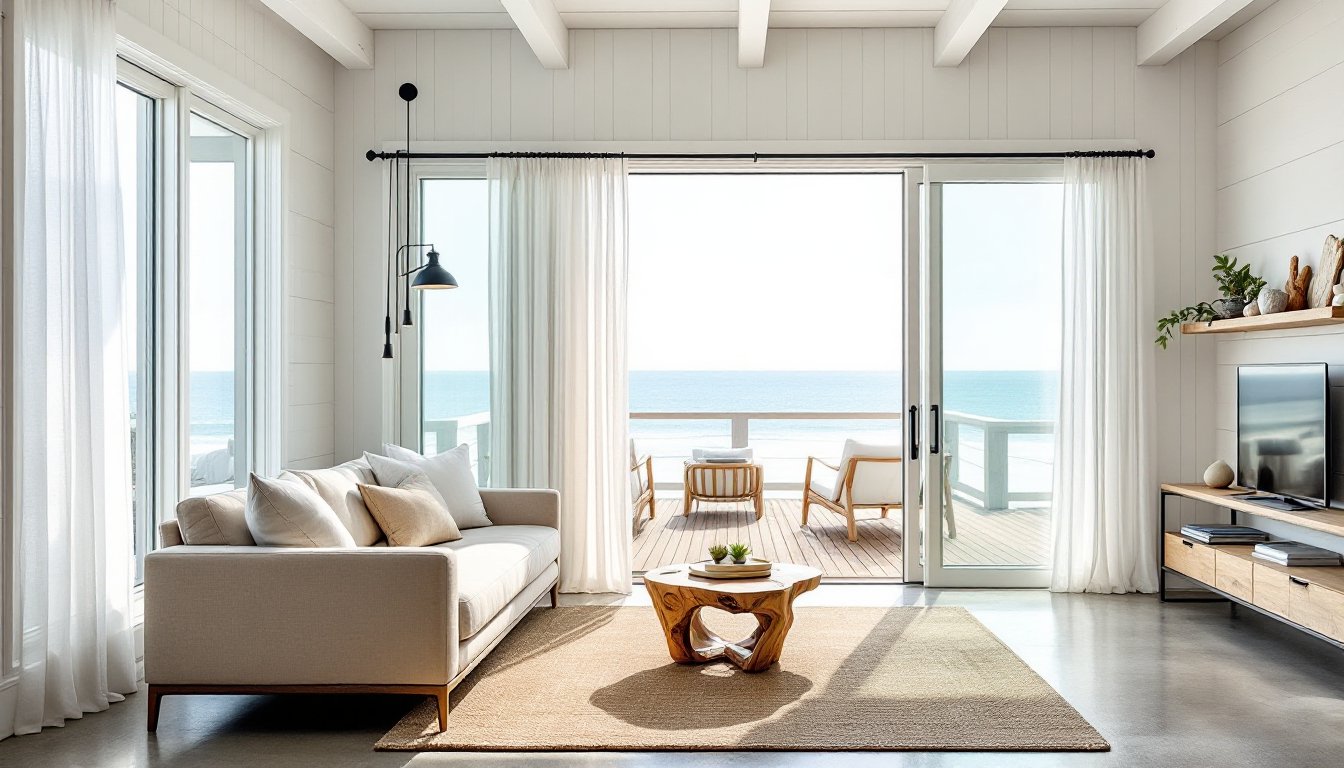
Beach House Interior Design Ideas: Transform Your Coastal Retreat in 2026
Designing a beach house interior requires more than throwing some seashells on a shelf and calling it coastal. It’s about capturing the relaxed, breezy essence of oceanfront living while creating a functional space that stands up to sand, salt air, and wet beach towels. A well-executed beach house balances durability with style, using natural materials, strategic color choices, and smart layout decisions that enhance both comfort and views. Whether someone’s renovating a weathered cottage or building new construction, these design ideas deliver authentic coastal character without crossing into cheesy souvenir-shop territory.
Key Takeaways
- Beach house interior design ideas should balance durability with style using natural materials, coastal color palettes, and smart layouts that enhance views while withstanding salt air and sand.
- A neutral foundation of whites, soft ocean blues, and sandy tones creates visual continuity between indoor and outdoor spaces without overwhelming the design.
- Natural materials like exterior-grade shiplap, linen textiles, rattan furniture, and stone countertops provide both aesthetic appeal and practical resistance to humidity and salt air.
- Maximize natural light and ocean views through sheer window treatments, glass sliding doors, clerestory windows, and strategically placed mirrors rather than heavy drapes.
- Choose washable slipcover sofas, performance fabrics, and low-profile furniture with exposed legs to maintain comfort while hiding stains and improving airflow in humid coastal environments.
- Incorporate authentic nautical elements sparingly—such as vintage maritime pieces or natural driftwood collections—and design open floor plans with seamless transitions to screened porches for effortless indoor-outdoor living.
Embrace Coastal Color Palettes That Bring the Ocean Indoors
The most effective beach house color schemes mirror the natural landscape outside, sand, sea, sky, and weathered driftwood. These palettes create visual continuity between interior and exterior spaces.
Whites and soft neutrals form the foundation of most coastal interiors. Crisp white shiplap, beadboard, or drywall reflects natural light and makes spaces feel larger, which matters in smaller beach cottages. Benjamin Moore’s Simply White or Sherwin-Williams’ Pure White work well in rooms with ample natural light. For north-facing or shadowy rooms, warmer whites like Alabaster prevent a cold, sterile feel.
Ocean-inspired blues and greens add color without overwhelming the space. Soft aqua, seafoam, pale turquoise, and weathered denim blues reference water without screaming “beach theme.” These work best as accent walls, cabinetry colors, or upholstery rather than entire rooms. Deeper navy can ground a space and adds sophistication in dining areas or primary bedrooms.
Sandy neutrals and warm grays provide earthy balance. Beige, taupe, greige, and warm gray tones mimic beach sand and pair naturally with cooler blues. These neutrals work particularly well for larger furniture pieces and area rugs that need to hide the inevitable sand tracked indoors.
Natural wood tones shouldn’t be overlooked. Weathered cedar, bleached oak, and driftwood-gray finishes add warmth and texture. Skip dark, heavy stains, they fight against the light, airy aesthetic most beach houses need.
Choose Natural Materials and Textures for Authentic Beach Vibes
Material selection in beach houses serves dual purposes: aesthetic appeal and practical durability. Coastal environments demand finishes that tolerate humidity, salt air, and frequent cleaning.
Shiplap and tongue-and-groove planking remain popular wall treatments, but installation matters. Use exterior-grade materials or treated lumber in high-moisture areas like bathrooms. Standard pine shiplap works in climate-controlled living spaces, but consider PureBond formaldehyde-free plywood with a shiplap profile for better moisture resistance. Prime all sides before installation to prevent warping.
Natural fiber textiles add texture without synthetic sheen. Linen curtains, jute rugs, cotton canvas slipcovers, and sisal area rugs bring organic, touchable surfaces that complement coastal settings. Keep in mind that natural fiber rugs can be scratchy underfoot, layer a softer cotton rug underneath in seating areas, or choose jute blends with softer backing.
Rattan, wicker, and bamboo furniture fits the aesthetic but varies widely in quality. Look for tight, consistent weaving and substantial frame construction. Outdoor-rated synthetic wicker handles humidity better than natural materials in enclosed porches or sunrooms. Real rattan works fine in climate-controlled interiors but will deteriorate in damp, unheated spaces.
Stone and concrete provide cool, durable surfaces. Honed marble, limestone, or concrete countertops suit beach kitchens, though they require sealing to resist staining from salt and citrus. Polished concrete floors with radiant heat work beautifully in modern coastal builds, they’re easy to clean and stay cool in summer.
Maximize Natural Light and Ocean Views
Beach houses exist to connect inhabitants with the coastal environment. Design choices should amplify natural light and frame views, not block them.
Window treatments need to balance light control with transparency. Sheer linen or cotton panels filter harsh afternoon sun without obscuring ocean views. For bedrooms requiring blackout capability, install cellular shades or roller shades inside the window frame, then layer decorative panels on either side. Skip heavy drapes and valances, they collect dust and fight against the light, open aesthetic.
Glass door options transform walls into passageways. Sliding glass doors or folding glass wall systems (like NanaWall or LaCantina) create seamless transitions to decks and patios. These require professional installation and proper flashing details to prevent water infiltration, this isn’t a DIY project. Budget $800-$1,500 per linear foot for quality systems, installed.
Transoms and clerestory windows bring light into interior spaces without sacrificing privacy. Adding a transom above a bathroom door or installing clerestory windows along the roofline of a hallway borrows light from adjacent rooms. These require structural consideration, consult an architect or structural engineer before cutting into headers or load-bearing walls.
Reflective surfaces multiply available light. Mirrors positioned perpendicular to windows bounce natural light deeper into rooms. High-gloss or semi-gloss paint sheens reflect more light than flat finishes, though they also highlight wall imperfections, proper surface prep (skim coating, sanding to 220-grit) becomes essential.
Select Furniture That Balances Comfort and Coastal Style
Beach house furniture must withstand sandy feet, damp swimsuits, and salt air while maintaining comfort and style. Durability trumps delicate upholstery.
Slipcover sofas and chairs offer the best of both worlds, washable protection over quality frames. White or natural linen slipcovered sofas define coastal style, but light colors show every stain. Canvas or heavier cotton duck fabric in sand, gray, or soft blue hides dirt better while maintaining the casual aesthetic. Look for pre-shrunk, machine-washable slipcovers and buy an extra set for rotation during cleaning.
Performance fabrics solve the moisture problem. Crypton, Sunbrella, and similar treated textiles resist stains, moisture, and mildew without looking plasticky. Many manufacturers now offer performance fabrics in sophisticated textures that mimic linen or velvet. These cost 15-30% more than standard upholstery but pay off in longevity.
Outdoor-rated furniture works indoors too. Teak, eucalyptus, and powder-coated aluminum pieces designed for patios handle humidity beautifully in three-season porches or covered lanais. Pair with outdoor cushions covered in solution-dyed acrylic fabrics, color goes through the entire fiber, so fading is minimal.
Low-profile, leggy furniture maintains visual openness. Sofas and chairs with exposed legs (rather than skirted bases) feel lighter and allow better airflow underneath, reducing mustiness in humid climates. Glass or light wood coffee tables disappear visually, preserving sightlines to windows and views.
Incorporate Nautical Decor Without Overdoing the Theme
There’s a fine line between coastal charm and tacky maritime kitsch. Strategic restraint separates sophisticated beach houses from souvenir shops.
Authentic nautical elements carry more weight than mass-produced decorations. A vintage oar, an actual ship’s lantern, or framed nautical charts from the local waters tell a story. These pieces work as focal points, one or two per room maximum. Skip the anchor-print throw pillows and “Seas the Day” wall art.
Natural collections bring the beach inside without cliché. Display interesting driftwood, beach stones, or coral specimens (legally collected) in simple glass vessels or shadow boxes. Arrange them with breathing room, crowded shelves read as clutter, not curation.
Rope and marine details work best in functional applications. Use marine-grade rope (3/4-inch manila or cotton) for stair railings, curtain tiebacks, or drawer pulls. These details add texture and reference maritime tradition without announcing “BEACH HOUSE” in all caps.
Artwork should reference the coast subtly. Abstract ocean photography, watercolor seascapes, or minimalist line drawings of coastal birds feel more sophisticated than literal sailboat paintings. Local artists often capture the specific character of regional coastlines better than generic beach prints.
The key principle: let materials, colors, and textures evoke the beach. The setting does the heavy lifting, decor should enhance, not announce.
Design Open, Breezy Spaces for Seamless Indoor-Outdoor Living
Beach houses function best when interior spaces flow naturally to outdoor areas. This requires intentional planning during design or renovation.
Open floor plans suit coastal living. Combining kitchen, dining, and living areas into one great room accommodates groups and maintains social connection while cooking. Before removing walls, verify that they’re not load-bearing, hire a structural engineer if uncertain. Removing a load-bearing wall requires a properly sized beam (typically an LVL or steel I-beam) and posts, plus permits. Costs start around $3,000-$6,000 for a standard 12-foot span, not including finishes.
Flooring transitions should be minimal. Using the same flooring material from interior to covered porch creates visual continuity. Porcelain tile in wood-look or concrete-look finishes works both inside and on covered outdoor spaces (use exterior-rated tile with slip-resistant texture outdoors). Real wood flooring stops at the weather barrier, moisture will destroy it.
Outdoor kitchens and living rooms extend usable square footage. A simple setup includes a built-in grill, small refrigerator, and weatherproof cabinetry. Use marine-grade polymer or stainless steel for cabinets near salt water, regular wood cabinetry deteriorates rapidly. Run a dedicated 20-amp circuit for refrigerators and outlets (GFCI-protected per NEC requirements).
Screened porches provide bug-free outdoor time. Use fiberglass screening (Phifer or Super Screen brands) rather than aluminum, it won’t corrode in salt air and resists tearing better. Frame screening panels in removable sections for easier repair. Budget $15-$25 per square foot for contractor-installed screen porches, more for custom millwork details.
Conclusion
Successful beach house design honors the coastal setting without becoming a caricature. It prioritizes natural materials that age gracefully, colors that reflect the surrounding environment, and layouts that connect indoor comfort with outdoor beauty. The best coastal interiors feel effortless, like they’ve always belonged there, shaped by sun, salt, and sand rather than a design trend. Focus on durability, light, and authentic details, and the beach house will deliver that retreat atmosphere for decades.