

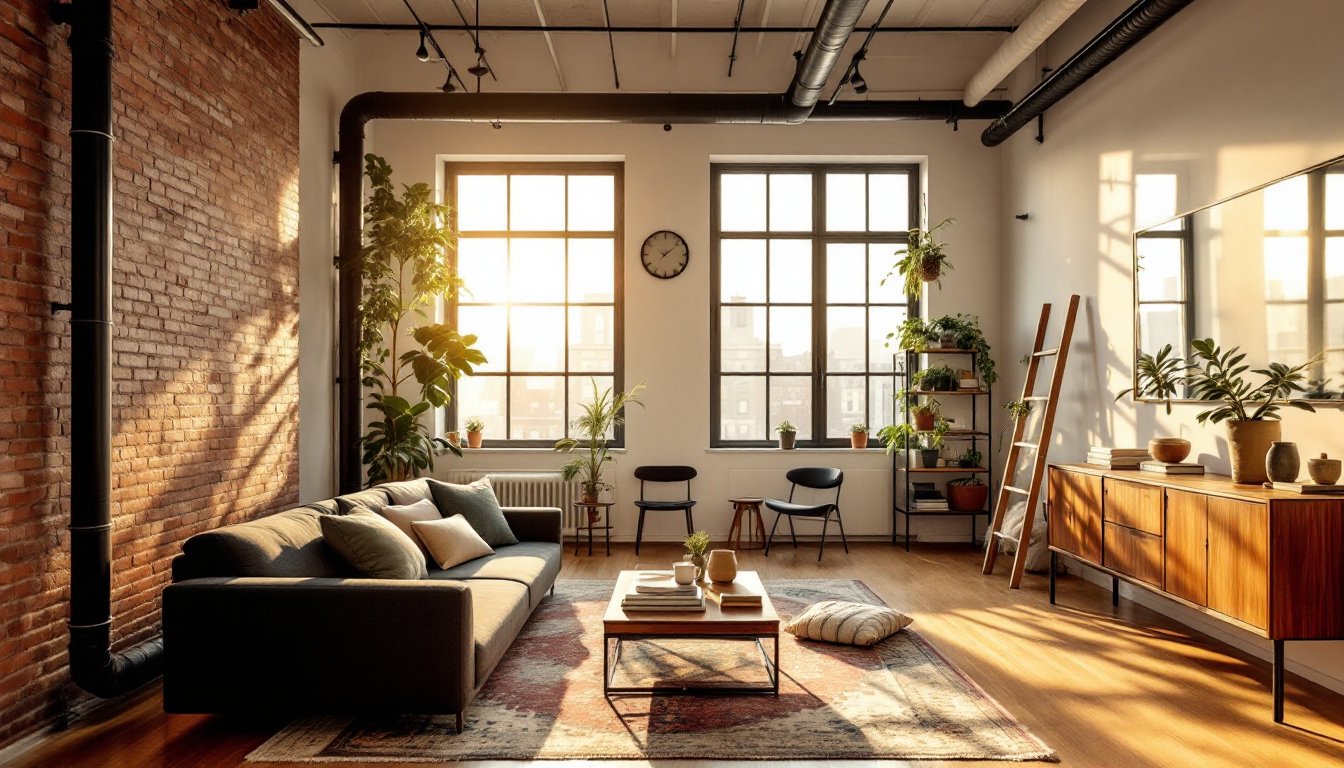
Brooklyn Interior Design: The Ultimate Guide to Creating Your Dream NYC Space in 2026
Brooklyn’s design scene blends grit and sophistication in ways Manhattan just can’t replicate. From converted warehouses in DUMBO to century-old brownstones in Park Slope, the borough offers a distinct aesthetic that honors history while embracing contemporary living. Unlike cookie-cutter suburban homes, Brooklyn spaces demand creative problem-solving, think exposed brick that can’t be moved, radiators that eat floor space, and rooms with footprints shaped like Tetris pieces. This guide walks through the signature styles, space-maximizing tactics, and local sourcing strategies that make Brooklyn interiors work, whether someone’s renovating a rent-stabilized walk-up or investing in a fixer-upper townhouse.
Key Takeaways
- Brooklyn interior design celebrates architectural honesty by showcasing original features like exposed brick, timber joists, and cast-iron radiators as focal points rather than hiding them.
- Space constraints in pre-war apartments demand creative solutions such as vertical storage, multi-use furniture, and strategic lighting to maximize function in tight layouts.
- The industrial chic aesthetic—Brooklyn’s signature style—works best with exposed brick, open ductwork, and metal-framed elements in spaces with ceilings above 9 feet to avoid an oppressive feel.
- Local sourcing through Brooklyn-based shops like Housing Works, ReBuilding Exchange, and BKLYN Designs supports authentic design while avoiding generic mass-produced looks.
- Professional design services range from budget-friendly one-hour consultations ($150–$400) to full-service project management ($10,000–$50,000+), allowing homeowners to choose based on project scope and budget.
What Makes Brooklyn Interior Design Unique?
Brooklyn interior design revolves around architectural honesty, celebrating original features rather than hiding them. Exposed brick, timber joists, cast-iron radiators, and tin ceilings aren’t just tolerated: they’re focal points. This approach stems from the borough’s industrial past and the creative class that repurposed factories and warehouses starting in the 1980s.
Space constraints force function-first thinking. Most pre-war apartments feature narrow galley kitchens, bathrooms tucked under stairs, and bedrooms barely wide enough for a queen bed. Designers work with nominal room dimensions (a “10×12″ bedroom often measures closer to 9’6″×11’8” wall-to-wall) and prioritize vertical storage, fold-down furniture, and multi-use zones.
Natural light is scarce and sacred. North-facing windows, neighboring buildings inches away, and deep floor plates mean many Brooklyn homes rely on strategic lighting layering. Designers use sheer window treatments or skip curtains entirely, add LED strip lights inside closets and under cabinets, and choose light-reflective finishes, satin paints over matte, glass tiles over subway ceramic.
The borough’s demographics also shape design. Brooklyn residents tend to value sustainability, local craftsmanship, and vintage finds over mass-produced décor. Reclaimed wood shelving, refurbished mid-century credenzas, and DIY projects aren’t just budget moves, they’re aesthetic choices that signal authenticity.
Popular Brooklyn Interior Design Styles
Brooklyn’s design identity isn’t monolithic. Neighborhoods and building types each lend themselves to distinct aesthetics, though most share a love of raw materials and lived-in character.
Industrial Chic: The Brooklyn Signature Look
This style emerged from loft conversions and remains the borough’s calling card. Key elements include:
- Exposed brick walls left unsealed or coated with clear matte sealer (not high-gloss poly, which looks artificial)
- Open ductwork and pipes, often painted matte black or left as galvanized steel
- Concrete or wide-plank wood floors, many DIYers use luxury vinyl plank (LVP) in a 9-inch-wide wood-look pattern as a budget-friendly alternative to $8+/sq ft reclaimed oak
- Metal-framed windows and doors, including Crittall-style black steel (or aluminum replicas for a fraction of the cost)
- Furniture with industrial bones: steel pipe shelving, factory carts as coffee tables, metal barstools with Edison bulb pendants overhead
Industrial design works best in spaces with ceiling heights above 9 feet. In standard 8-foot apartments, too much raw material and dark metal can feel oppressive. A lighter hand, maybe one accent wall of brick, not four, keeps the vibe balanced.
Modern Brownstone Elegance
Brownstones and limestone row houses call for a different approach. These homes feature ornate moldings, pocket doors, marble mantels, and parlor-floor layouts with high ceilings and large windows.
Modern brownstone style respects original details while layering in contemporary comfort:
- Restored millwork: Crown molding, baseboards, and door casings stripped and repainted in Benjamin Moore Decorator’s White or Farrow & Ball Pointing (a warmer off-white that flatters period architecture)
- Herringbone or parquet floors refinished in natural or light stains, dark walnut stains, popular in the 2010s, now feel dated
- Subtle color palettes: soft grays, warm taupes, muted greens, and navy accents instead of stark black-and-white contrast
- Mix of old and new furniture: a Victorian settee reupholstered in linen next to a streamlined sectional, vintage Persian rugs layered over refinished oak
- Statement lighting: oversized drum pendants, sputnik chandeliers, or restored brass fixtures from Olde Good Things or Demolition Depot in Harlem
This style requires patience. Stripping six layers of paint from a mantel isn’t a weekend project, and matching existing plaster molding profiles often means custom millwork. If original details are too far gone, skipping faux-Victorian reproductions in favor of clean, modern trim maintains integrity without pretense.
Maximizing Small Spaces in Brooklyn Apartments
Brooklyn’s median apartment size hovers around 700–900 square feet. Making that work without sacrificing style or sanity requires ruthless editing and smart infrastructure.
Vertical storage beats floor clutter every time. Wall-mounted shelving systems (like Elfa or DIY pipe shelving) use height without eating walkway space. In rentals where drilling is limited, tension-pole shelving units (floor-to-ceiling pressure mounts) or command strips rated for heavy loads work for lighter items.
Furniture should earn its square footage. Storage ottomans, lift-top coffee tables, and beds with built-in drawers consolidate functions. Murphy beds (wall beds) remain popular in studios, though quality units from manufacturers like Resource Furniture start around $3,000–$5,000 installed. IKEA’s PAX wardrobe system can be hacked into a DIY Murphy bed frame for under $1,000 with the right hardware kit.
Pocket doors and barn doors save swing space. Replacing a standard 32-inch hinged door with a sliding barn door recovers roughly 10 square feet of usable floor area. Note that barn doors don’t seal sound, so they’re poor choices for bathrooms shared with roommates. True pocket doors (which slide into the wall cavity) require wall framing with 2×6 studs instead of standard 2×4s, often not feasible in rentals or without permits.
Mirrors amplify light and depth. A floor-to-ceiling mirror on a narrow wall can visually double a room. Skip the stick-on tile mirrors from big-box stores: they warp and peel. Instead, order a custom-cut mirror from a local glass shop (around $8–$12 per square foot) and mount it with mirror clips or construction adhesive rated for glass (like Loctite PL 530).
Paint choices matter in tight quarters. Light, warm neutrals reflect more lumens than cool grays. Sherwin-Williams Alabaster and Benjamin Moore Swiss Coffee are go-to choices. Painting ceilings the same color as walls (or one shade lighter) erases visual boundaries and makes rooms feel taller.
Where to Source Brooklyn-Style Furniture and Décor
Brooklyn design thrives on local finds and salvaged materials. Knowing where to shop saves money and avoids the generic West Elm showroom look.
For reclaimed and vintage pieces:
- Housing Works (thrift stores across Brooklyn) offers furniture, lighting, and décor with proceeds funding HIV/AIDS services
- ReBuilding Exchange in Gowanus specializes in salvaged building materials, doors, mantels, hardware, flooring
- Brimfield Antique Market (Massachusetts, three times yearly) is worth the drive for serious vintage hunters
For new furniture with an industrial or artisan edge:
- BKLYN Designs (annual trade show) showcases local makers: many sell direct from Greenpoint or Sunset Park studios
- Beam & Anchor in Red Hook focuses on American-made furniture and home goods
- West Elm’s LOCAL program features Brooklyn makers, though prices reflect the markup
For DIY materials and hardware:
- Gowanus Lumber & Hardware and Brooklyn Builders Supply stock dimensional lumber (remember 2×4s actually measure 1.5″×3.5″), plywood, and trim
- Home Depot in Sunset Park and Lowe’s in East New York carry basics: order online for in-store pickup to skip the crowds
- B&H Photo (Manhattan, but ships fast) offers LED strip lights, smart home gear, and specialty lighting
For textiles and soft goods:
- Fabricland in Sunset Park sells upholstery-weight fabric, canvas, and leather by the yard
- IKEA in Red Hook remains unbeatable for affordable curtains, duvet covers, and throw pillows that can be dyed or customized
Buying secondhand or direct from makers means inconsistent inventory. It’s smart to stay flexible on exact dimensions and finishes rather than fixating on a Pinterest board.
Hiring a Brooklyn Interior Designer: What to Expect
Professional design help ranges from a one-hour consultation to full-service project management. Understanding service tiers and costs prevents sticker shock.
Consultation-only services run $150–$400 for 60–90 minutes. The designer walks the space, takes measurements, discusses goals, and provides a follow-up brief with recommendations, paint colors, and product links. This works well for DIYers who need direction but plan to execute themselves.
E-design (virtual design) costs $500–$2,000 depending on scope. Clients provide photos, measurements, and a budget: designers deliver mood boards, floor plans, and shoppable product lists. No in-person site visits, so accuracy depends on client-provided info. This model suits renters making non-structural updates.
Hourly design services typically bill at $100–$250/hour in Brooklyn. Designers source furniture, coordinate contractors, attend site meetings, and troubleshoot issues. Clients purchase products directly (no designer markup) and pay only for time spent. Good for defined projects like a kitchen refresh or single-room makeover.
Full-service design with project management ranges from $10,000–$50,000+ depending on scope, square footage, and finishes. Designers charge either a flat fee or a percentage of total project cost (usually 15–30%). This includes space planning, custom millwork drawings, contractor bids, material procurement, and installation oversight. Necessary for gut renovations or when structural changes require DOB permits and architect-stamped drawings.
What to ask before hiring:
- Do they carry general liability insurance? Required if they’re coordinating trades or site work.
- Can they provide references from Brooklyn projects? Familiarity with pre-war construction, co-op boards, and local codes matters.
- How do they handle product delays or budget overruns? Supply chain issues remain unpredictable in 2026.
- What’s their markup on furniture and materials? Some designers charge cost-plus (net cost + 20–30%), others work fee-only and let clients buy direct.
Skip designers who promise fixed costs without seeing the space or who push a single aesthetic regardless of the building’s character. The best Brooklyn designers listen first, then propose solutions that respect both budget and bones.