

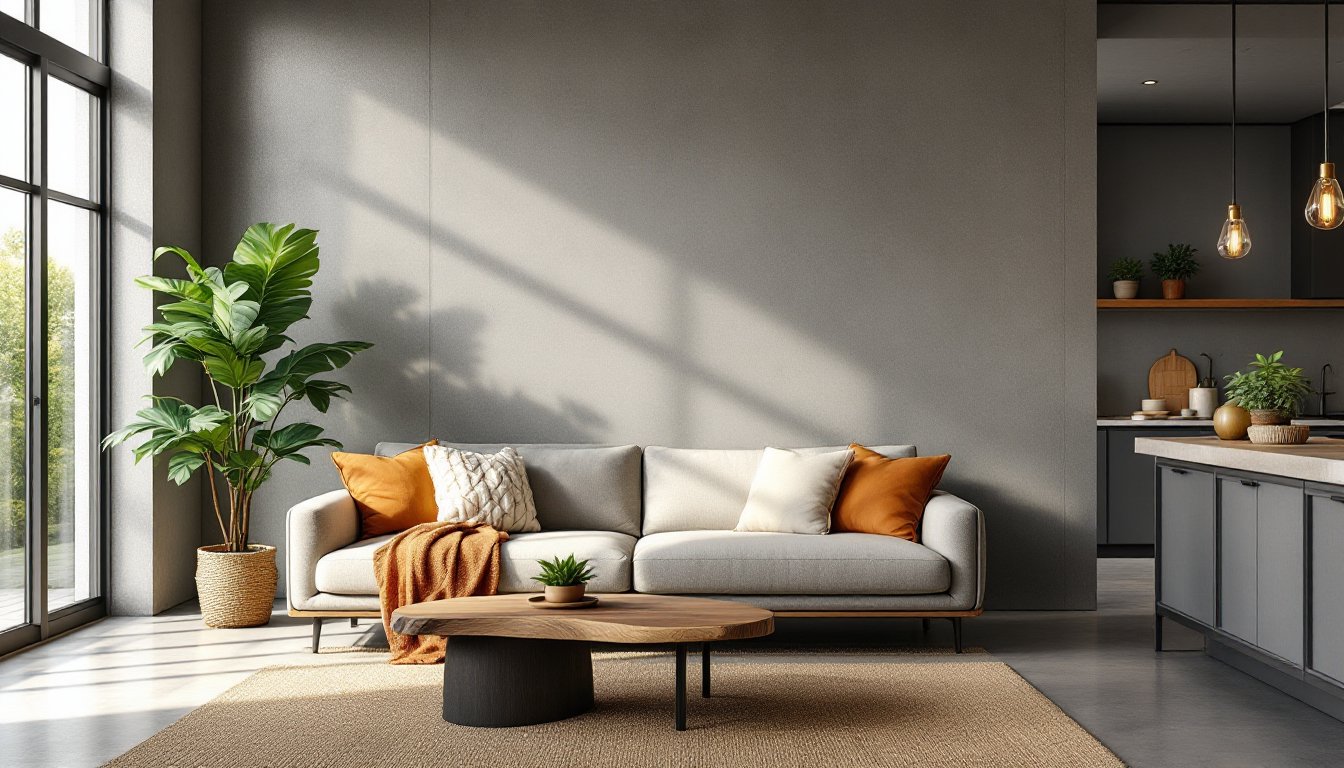
Concrete Interior Design: Modern Ideas to Transform Your Space in 2026
Concrete is no longer confined to driveways and foundations. In 2026, it’s showing up on living room walls, kitchen islands, and even bedroom accent features. What was once purely utilitarian has become a go-to material for homeowners chasing an industrial-modern aesthetic, one that balances raw texture with clean lines. The appeal isn’t just visual. Concrete is durable, low-maintenance, and surprisingly versatile when paired with the right finishes and furnishings. Whether someone’s remodeling a single room or planning a full-scale renovation, understanding how to use concrete effectively can elevate the entire design without sacrificing warmth or livability.
Key Takeaways
- Concrete interior design combines durability, cost-effectiveness ($3–$12 per square foot for flooring), and design flexibility, making it an ideal choice for modern homeowners seeking industrial-modern aesthetics.
- Polished concrete flooring and decorative walls are the most popular concrete interior applications, achievable through grinding, staining, and scoring techniques that can mimic high-end finishes at a fraction of the cost.
- Balance concrete’s cool, raw aesthetic by layering natural wood, warm-toned metals, textiles, and strategic lighting to prevent spaces from feeling cold or sterile.
- Concrete interior surfaces require minimal ongoing maintenance with proper sealing (reapply penetrating sealers every 5–10 years and topical acrylics every 2–3 years) and simple daily cleaning using pH-neutral cleaners.
- Incorporate concrete accents selectively—one or two elements per room, such as accent walls paired with contrasting painted drywall, works best to maintain visual balance and warmth.
Why Concrete Is Taking Over Modern Interior Design
Concrete delivers three things most interior materials can’t pull off simultaneously: durability, design flexibility, and cost predictability. Unlike tile or hardwood, which can crack or warp under shifting humidity, concrete holds up in high-traffic zones and humid climates with minimal upkeep. It also accepts pigments, stains, and sealers, which means homeowners can customize color and sheen to match nearly any design palette.
From a structural standpoint, concrete is inherently fire-resistant and can improve thermal mass in a home, absorbing heat during the day and releasing it at night. That’s particularly useful in passive solar designs or open-concept spaces with large windows. It’s also hypoallergenic. Unlike carpet or unsealed wood, polished concrete doesn’t harbor dust mites, pet dander, or mold.
The industrial aesthetic is another driver. Exposed concrete plays well with steel beams, reclaimed wood, and oversized windows, hallmarks of loft conversions and modern farmhouse builds. But it’s not limited to one style. With the right finish, concrete can lean minimalist, Scandinavian, or even mid-century modern. The material’s neutrality is its strength: it doesn’t compete with furnishings or architectural details.
Finally, there’s cost. A basic polished concrete floor runs roughly $3–$12 per square foot installed, depending on the region and level of customization (staining, scoring, or embedded aggregates). That often undercuts premium tile or engineered hardwood, especially when factoring in longevity. For DIYers, concrete overlays and microtopping products make it possible to resurface existing slabs without a full pour, though prep work, grinding, patching, and leveling, is critical to avoid delamination down the line.
Where to Incorporate Concrete in Your Home
Concrete Walls and Accent Features
Concrete walls add instant architectural interest, but the approach varies depending on whether the home already has a concrete structure or if the homeowner is adding a decorative layer. In lofts or basements with poured concrete walls, the easiest route is simply to seal and finish the existing surface. A penetrating sealer (silicate or silane-based) protects against moisture and efflorescence while preserving the raw look. For a softer sheen, a topical acrylic sealer works, though it will require reapplication every few years.
In wood-framed homes, creating a concrete accent wall typically means applying a concrete veneer or microtopping, a thin layer (usually 1/8 to 1/4 inch thick) troweled over drywall or cement board. Products like Ardex or Surecrete are popular among DIYers, but surface prep is non-negotiable. The substrate must be clean, level, and primed with a bonding agent to prevent cracking. Trowel techniques affect the final texture: smooth finishes require multiple passes and sanding, while intentional trowel marks or knockdown textures add character.
Another option: architectural concrete panels. These are prefab, lightweight panels (often reinforced with fiberglass) that install like large-format tile. They’re faster than troweling a microtopping and more forgiving if the wall isn’t perfectly flat. Expect to pay $15–$30 per square foot, not including labor.
Concrete also works well for fireplace surrounds, range hoods, and built-in shelving. Just note that vertical applications require proper reinforcement, especially for heavy elements like mantels or cantilevered shelves. Consult local building codes: some jurisdictions require non-combustible clearances around fireplaces, which concrete satisfies, but anchoring methods still matter.
Concrete Flooring and Polished Finishes
Polished concrete flooring is one of the most cost-effective ways to introduce the material, especially in homes with existing concrete slabs (common in slab-on-grade construction or basements). The process involves grinding the surface with progressively finer diamond abrasives, then applying a chemical densifier to harden the concrete and close pores. Final steps include polishing to the desired sheen, 800-grit for a satin finish, 3000-grit for high gloss.
DIY polishing is possible with rented planetary grinders, but it’s labor-intensive and dust-heavy. A HEPA-rated shop vac and proper respirator (N95 minimum, P100 preferred) are essential. Pros typically charge $3–$8 per square foot for standard polish, more if the homeowner wants decorative saw cuts, embedded stones, or custom staining.
For wood-framed floors, a concrete overlay (self-leveling or trowel-applied) can go over plywood subfloors, provided the framing can handle the added weight, roughly 12–18 pounds per square foot for a 3/4-inch overlay. Check joist spacing and species: 2×10 joists at 16 inches on center are typically adequate, but an engineer’s assessment is smart if the home is older or the spans are long.
Staining and scoring add visual interest without heavy cost. Acid stains (iron-based) create variegated, earthy tones by reacting with the concrete’s lime content. Water-based stains offer more color control and are less hazardous, though they sit on the surface rather than penetrating deeply. Saw-cut patterns, grids, diagonals, or faux tile layouts, can mimic high-end flooring at a fraction of the cost. Use a 4-inch diamond blade on a angle grinder or rent a walk-behind concrete saw for longer runs.
Styling Tips: Balancing Industrial With Warmth
Raw concrete can read cold if it’s not balanced with softer materials and thoughtful lighting. The key is layering textures and tones to prevent the space from feeling like a parking garage.
Introduce natural wood. Walnut, oak, or reclaimed lumber adds warmth and breaks up the monochrome palette. Floating shelves, wood-topped tables, or even a live-edge bench soften concrete’s hard edges. Avoid overly glossy finishes: matte or oil-rubbed wood complements concrete’s subtle sheen better.
Layer textiles. Linen curtains, wool throws, and jute rugs inject tactile contrast. In living rooms, a chunky knit blanket or leather sofa cushions offer visual relief against smooth concrete walls. In bedrooms, upholstered headboards or layered bedding keep the space from feeling austere.
Use warm-toned metals. Brass, copper, or matte gold fixtures play off concrete’s cool gray better than chrome or stainless steel, which can amplify the industrial vibe to a sterile degree. Pendant lights with Edison bulbs or caged fixtures work well in kitchens and dining areas.
Mind the lighting. Concrete absorbs light, so spaces need ample ambient and task lighting to avoid feeling dim. Recessed LED cans with a warm color temperature (2700K–3000K) work for general illumination. Add floor lamps or sconces to create layers. Large windows help, but if natural light is limited, consider adding a skylight or light tube.
Greenery makes a difference. Potted plants, fiddle leaf figs, snake plants, or trailing pothos, soften hard surfaces and add life to neutral palettes. In kitchens, an herb wall or hanging planters bring function and freshness.
Don’t over-concrete the space. One or two concrete elements per room is usually enough. A concrete accent wall pairs well with painted drywall on the remaining walls. A polished concrete floor works best when cabinetry, ceilings, or trim offer contrasting materials.
Maintenance and Care for Concrete Interiors
Concrete is low-maintenance, but it’s not maintenance-free. Sealed surfaces resist stains and moisture better than unsealed ones, but sealers degrade over time, especially in high-traffic areas.
Resealing schedules vary by product and use. Penetrating sealers last 5–10 years. Topical acrylics need reapplication every 2–3 years, or sooner if the surface sees heavy wear. Before resealing, clean thoroughly with a pH-neutral cleaner (avoid acidic or ammonia-based products, which can etch or discolor concrete). Test a small area first.
Daily cleaning is straightforward: dust mop or vacuum, then damp mop with water and a few drops of mild dish soap. For stubborn spots, a soft-bristle brush and non-abrasive cleaner work. Avoid steel wool or harsh scrubbers, which can scratch polished finishes.
Stain prevention is easier than stain removal. Wipe up spills, especially acidic liquids like wine, coffee, or citrus juice, immediately. Even sealed concrete can stain if liquids sit too long. In kitchens, use trivets under hot pots: thermal shock can cause microcracks in some sealers.
Cracks happen, especially in slabs subjected to settling or freeze-thaw cycles. Hairline cracks (less than 1/16 inch) are cosmetic and can be filled with epoxy or polyurethane-based crack fillers matched to the concrete’s color. Wider cracks may indicate structural issues, consult a structural engineer if cracks grow or if doors and windows start sticking.
Efflorescence, white, powdery deposits, can appear on concrete in damp environments. It’s caused by soluble salts migrating to the surface as moisture evaporates. Remove it with a stiff brush and water, or a diluted vinegar solution (1 part vinegar to 5 parts water). Address the moisture source to prevent recurrence: improve ventilation, fix leaks, or install a vapor barrier if needed.
Conclusion
Concrete interiors offer a rare combination of durability, design flexibility, and honest aesthetics. Whether it’s a polished floor, a troweled accent wall, or a custom countertop, the material delivers impact without demanding constant upkeep. The trick is balancing its industrial edge with warmth, layering in wood, textiles, and thoughtful lighting to keep spaces livable. With proper prep and realistic expectations about maintenance, concrete can anchor a home’s design for decades.