

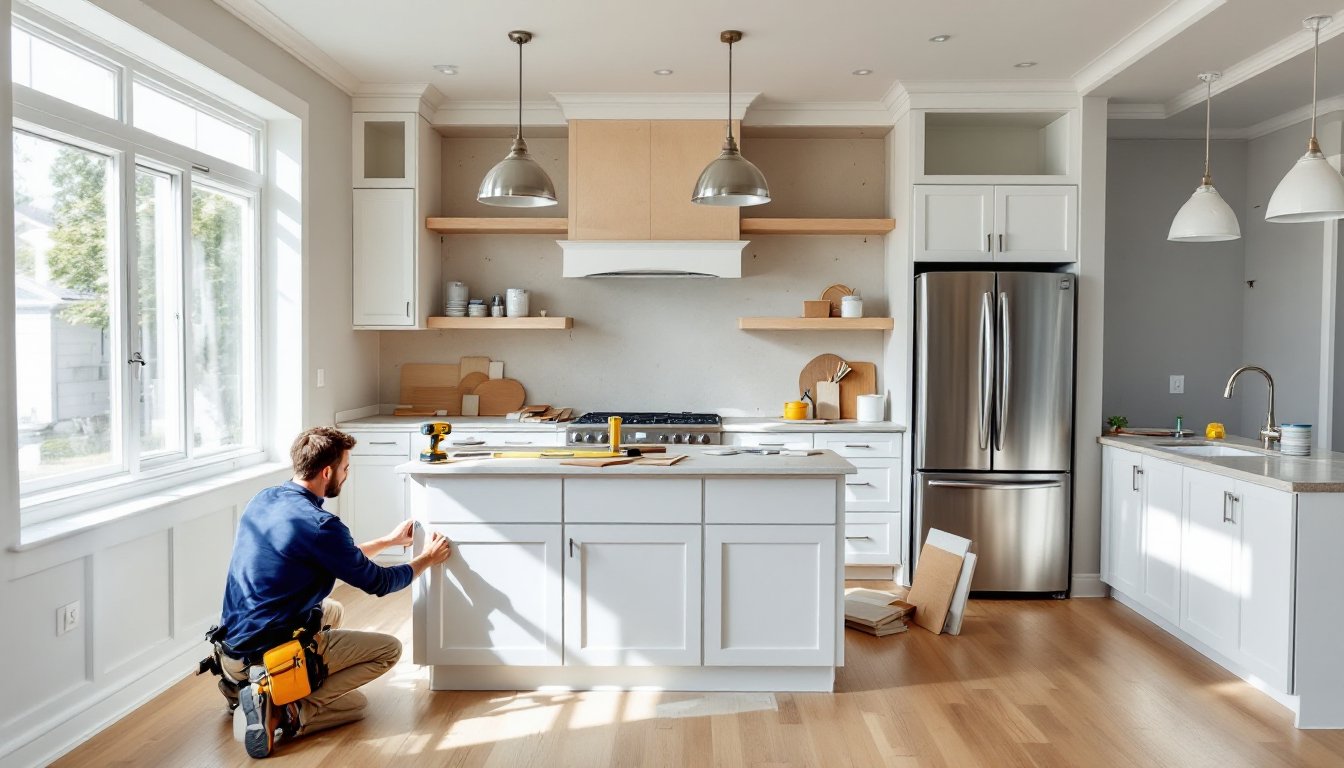
Home Renovations and Remodeling: Your 2026 Guide to Transforming Your Space
Home renovations aren’t just about fresh paint and new fixtures anymore. In 2026, homeowners are tackling remodels with sharper intent, boosting property value, improving energy efficiency, and creating spaces that actually work for how they live. Whether someone’s planning a full kitchen overhaul or finally finishing that basement, the difference between a successful project and a costly headache comes down to planning, realistic budgets, and knowing when to call in the pros. This guide cuts through the noise and lays out what matters: which projects deliver returns, how to budget without blowing past the estimate, and how to avoid the permits-and-timeline traps that derail too many DIYers.
Key Takeaways
- Home renovations deliver strong ROI when focused on high-impact projects like kitchen and bathroom remodels, which recoup 60–85% of costs at resale, plus curb appeal improvements that return nearly 100% for modest investment.
- Successful home renovations require budgeting 15–20% contingency on top of material and labor costs, since hidden structural or mechanical issues in homes over 30 years old can quickly derail timelines and expenses.
- Federal tax credits covering up to 30% of energy-efficient upgrades (through 2032) make projects like heat pump HVAC systems and insulation improvements cost-effective and attractive in 2026’s high-rate environment.
- Always hire licensed professionals for structural, electrical, and plumbing work; DIY projects in these areas risk code violations, insurance claim denials, and trouble selling the home later.
- Permits are required for structural changes, electrical work beyond fixture replacement, plumbing relocations, and deck additions over 30 inches, and skipping them can result in fines, stop-work orders, and buyer inspection issues.
Why Homeowners Are Investing in Renovations Now
Rising home prices and mortgage rates above 6% have slowed the buying market, pushing more homeowners to invest in the houses they already own. Rather than move, they’re renovating. The 2026 housing landscape favors improvements that increase comfort and resale value without the friction of a new mortgage.
Energy costs are another driver. Upgrading to heat pump HVAC systems, adding R-30 or R-38 attic insulation, and replacing single-pane windows with double- or triple-pane models can cut utility bills by 20–40%, depending on the home’s age and climate zone. Federal tax credits through the Inflation Reduction Act extension (available through 2032) cover up to 30% of qualifying energy upgrades, making these projects more accessible.
Remote work has also shifted priorities. Home offices, soundproofing, and better lighting aren’t luxuries anymore, they’re functional needs. Homeowners are converting spare bedrooms, finishing basements, and even adding ADUs (accessory dwelling units) where zoning permits. These changes add livable square footage and flexibility, whether for aging parents, renters, or future resale appeal.
Most Popular Renovation Projects That Add Real Value
Not all remodels deliver the same return. Some projects recoup 70–90% of their cost at resale, while others barely move the needle. Here’s what consistently performs.
Kitchen and Bathroom Remodels
Kitchens remain the highest-impact remodel. A minor kitchen refresh, new cabinet doors or refacing, quartz countertops, updated backsplash tile, and stainless appliances, typically costs $15,000–$30,000 and can recoup 75–85% at resale. Full gut remodels with custom cabinetry and high-end appliances run $50,000–$100,000+ but often return less as a percentage because buyers in most markets won’t pay a premium for ultra-luxury finishes.
Bathrooms follow close behind. A mid-range bathroom remodel (new vanity, tile surround, modern fixtures, and updated lighting) averages $20,000–$35,000 and recoups around 60–70%. Focus on durable materials: porcelain tile over vinyl, solid-surface or quartz vanity tops, and WaterSense-certified faucets and toilets. Cheap finishes hurt resale more than they save upfront.
Both projects benefit from attention to layout. Moving plumbing or load-bearing walls drives costs up fast. If the existing footprint works, keep it. Swap finishes, improve storage, and upgrade lighting instead.
Outdoor Living Spaces and Curb Appeal
Curb appeal projects deliver outsized returns for modest investment. A fresh coat of exterior paint (typically $3,000–$6,000 for an average single-family home) and new fiberglass or steel entry door ($1,500–$3,000 installed) can recoup 90–100% of cost. Landscaping upgrades, trimmed trees, mulched beds, and a defined walkway, add perceived value for under $2,000 in most cases.
Deck additions remain popular, especially composite decking like Trex or TimberTech, which requires zero annual staining and resists rot and insects. Expect to pay $35–$50 per square foot installed for composite versus $15–$25 for pressure-treated lumber. Composite costs more upfront but avoids maintenance hassles and lasts 25+ years.
Covered patios and outdoor kitchens appeal in warmer climates but rarely recoup full cost unless the neighborhood trend supports them. A basic 12×16-foot covered patio with a ceiling fan and electrical runs $8,000–$15,000, depending on roofing material and whether it ties into existing structure.
How to Budget and Plan Your Remodeling Project
Renovation budgets fail when homeowners underestimate costs or skip the contingency line. Start with a realistic number, then add 15–20% for contingencies. Hidden rot, outdated wiring, or surprise plumbing issues eat budgets fast, especially in homes older than 30 years.
Break costs into categories:
- Materials: 40–50% of budget
- Labor: 30–40%
- Permits and fees: 2–5%
- Contingency: 15–20%
For a $30,000 bathroom remodel, that’s roughly $13,500 in materials, $10,500 in labor, $1,000 in permits, and $5,000 held back for unknowns.
Prioritize structural and mechanical systems first. If the roof leaks or the electrical panel is a 100-amp fuse box from 1978, those come before granite countertops. A home inspector’s report (costs around $400–$600) can identify deal-breakers before a shovel hits dirt.
Get three written quotes for any job over $5,000. Compare scope of work, not just price. The lowest bid often skips prep work or uses cheaper materials. Ask for references, verify licensing and insurance (general liability and workers’ comp), and check online reviews.
Financing options include home equity loans (fixed rate, lump sum), HELOCs (variable rate, draw as needed), and cash-out refinancing. In 2026’s rate environment, HELOCs average 8–9% APR, so run the math before borrowing. Some contractors offer financing, but rates often exceed 10%, read the terms.
DIY vs. Hiring Professionals: Making the Right Choice
DIY saves labor costs but demands time, tools, and skill. A homeowner comfortable with a miter saw, circular saw, and cordless drill can handle trim work, painting, and simple tile jobs. Projects like replacing a vanity, installing laminate flooring, or building a basic deck frame are within reach for intermediate DIYers with a weekend and patience.
Hire a pro for anything structural, electrical, or plumbing if local codes require licensed work, or if the homeowner lacks experience. Moving a load-bearing wall requires an engineer’s stamp and a permit. Running new 120V or 240V circuits must meet NEC (National Electrical Code) standards, and inspectors will flag DIY work that doesn’t. Insurance claims can be denied if unlicensed work causes damage.
Gray-area projects, like installing a pre-hung door, laying luxury vinyl plank (LVP), or tiling a backsplash, are learnable but unforgiving. Mistakes cost more to fix than hiring out in the first place. YouTube tutorials help, but they can’t replace hands-on practice. If the homeowner has never cut tile or used a wet saw, a small guest bath is a better starting point than a main shower surround.
Tool rental vs. ownership: For one-time jobs, rent. A sliding compound miter saw rents for $40–$60/day versus $300–$600 to buy. Same for tile saws, floor sanders, and paint sprayers. Buy tools only if they’ll see repeat use across multiple projects.
Navigating Permits, Timelines, and Common Pitfalls
Permit requirements vary by jurisdiction, but most municipalities require them for:
- Structural changes (removing/adding walls, cutting joists or rafters)
- Electrical work beyond replacing a fixture
- Plumbing relocations or new fixture rough-ins
- HVAC installation or ductwork modifications
- Additions, decks over 30 inches high, and ADUs
Cosmetic work, paint, flooring, cabinet refacing, typically doesn’t need a permit. When in doubt, call the local building department. Permit fees run $200–$2,000+ depending on project scope.
Skipping permits risks fines, project stop-work orders, and trouble selling the home. Title companies and buyers’ inspectors flag unpermitted work, and sellers may be forced to bring it to code or reduce sale price.
Timelines stretch longer than expected. A kitchen remodel averages 6–12 weeks from demolition to final inspection. Delays happen when:
- Custom cabinets or countertops take 4–8 weeks to fabricate
- Inspectors find code violations mid-project
- Materials arrive damaged or on backorder
- Weather halts exterior work
Build in buffer time and have a temporary kitchen setup (microwave, toaster oven, cooler) ready.
Common pitfalls include:
- Ignoring load-bearing walls: Always consult a structural engineer before removing walls. Costs $500–$1,500 for a site visit and stamped plans.
- Underestimating demolition mess: Dumpster rental runs $300–$600/week. Dust and debris spread farther than expected, seal off work areas with plastic sheeting.
- Choosing finishes late: Delays in selecting tile, paint, or fixtures stall contractors and cost extra.
- Not living elsewhere during major work: Full kitchen or bathroom gut jobs are miserable to live through. Budget for a short-term rental or plan to stay with family if possible.
A clear contract, realistic timeline, and honest assessment of skills keep most projects on track. Homeowners who plan for problems, budget for contingencies, and know when to call in help come out ahead, both in finished quality and peace of mind.