

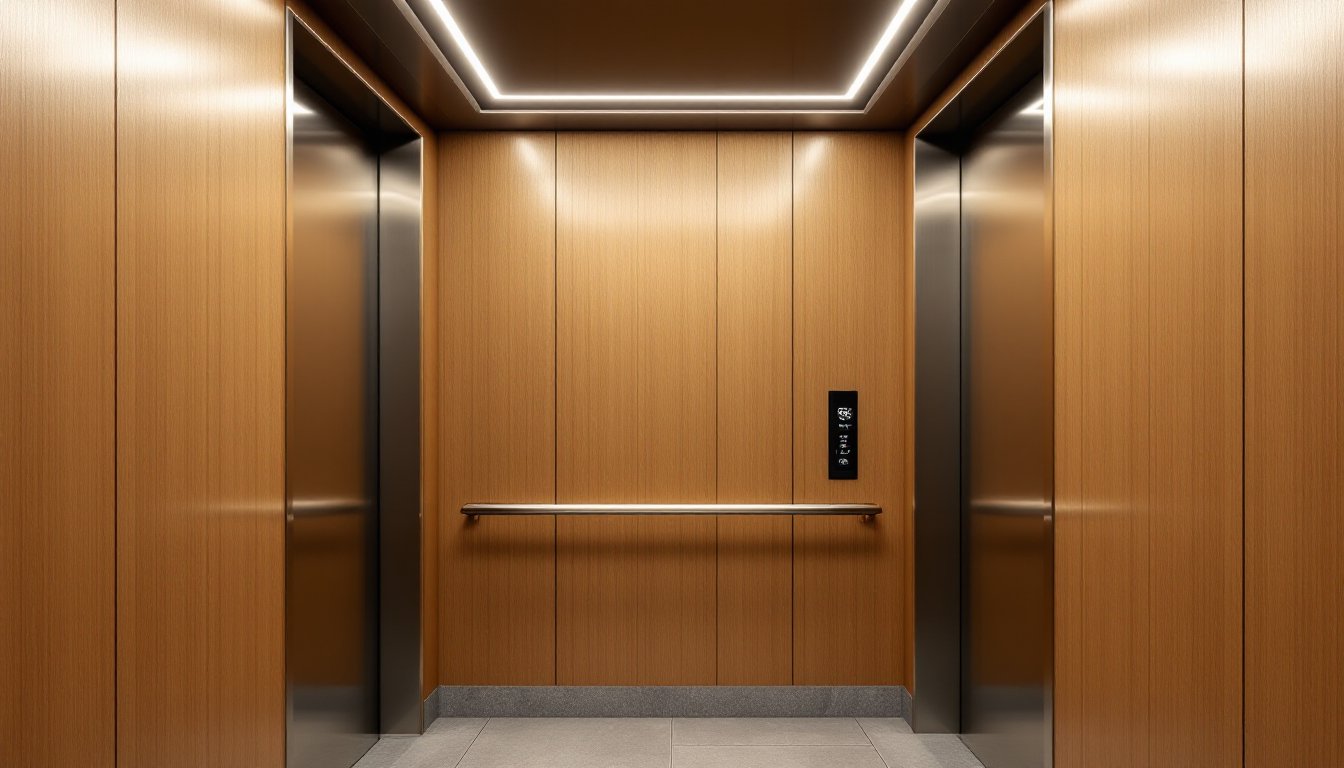
Elevator Cab Interior Design: Transform Your Vertical Space Into a Stunning Experience
Elevator cabs are often overlooked in building design, treated as purely functional boxes that move people between floors. But that thinking is outdated. A well-designed elevator interior can set the tone for an entire property, whether it’s a luxury residential building, a boutique hotel, or a corporate office tower. From material choices and lighting to smart tech integration, elevator cab design has evolved far beyond mirrored walls and stainless steel panels. Property owners and managers who invest in thoughtful cab interiors see measurable returns in tenant satisfaction, brand perception, and even building value.
Key Takeaways
- Elevator cab interior design significantly impacts tenant satisfaction, brand perception, and property value by transforming functional spaces into intentional, refined environments that set the tone for an entire building.
- Material selection for elevator cab design must balance aesthetics with durability—stainless steel, back-painted glass, and laminate panels are popular choices that withstand heavy traffic while maintaining visual appeal.
- Strategic lighting design using LED technology with proper color temperature (4000K–5000K for commercial, 2700K–3500K for residential) and layered light sources reduces anxiety and enhances the perceived quality of the cab.
- Current elevator cab design trends favor timeless styles like Minimalist Modern and Warm Industrial, while emerging options like Biophilic Design and Tech-Forward Minimalism offer innovative approaches for luxury and next-generation properties.
- Smart features including touchless controls, digital displays, air quality monitoring, and predictive maintenance sensors have become expected amenities that enhance user experience and operational efficiency.
- Elevator cab renovation must comply with strict safety and accessibility codes (ADA standards, ASME A17.1, ASTM E84 fire ratings) and requires licensed professionals and permits—never treat it as a DIY project.
Why Elevator Cab Interior Design Matters More Than You Think
The elevator cab is one of the few spaces in a building where occupants are trapped, literally, with nothing to do but observe their surroundings. That captive audience makes it prime real estate for design impact. A dated or poorly maintained cab signals neglect across the property. Conversely, a refined interior communicates attention to detail and quality.
First impressions count. In residential buildings, the elevator is often the first enclosed space a prospective tenant or buyer experiences after entering the lobby. In commercial properties, it’s where clients form judgments before they reach the office suite. Hospitality venues use elevator interiors to extend their brand story vertically.
Beyond aesthetics, cab design affects perceived comfort and safety. Proper lighting reduces anxiety in enclosed spaces. Durable, low-maintenance materials cut operational costs. Accessibility features aren’t just code requirements, they’re baseline expectations for inclusive design. When done right, elevator interiors feel intentional rather than institutional, blending function with a level of finish that matches the rest of the building.
Essential Design Elements for Modern Elevator Cabs
Material Selection: Balancing Aesthetics and Durability
Elevator cabs take a beating. Thousands of touches, rolling luggage, moving carts, and the occasional furniture edge mean materials must withstand constant abuse while still looking polished. The wrong choice leads to scuffs, dents, and an expensive refurbishment cycle.
Wall panels set the visual tone. Stainless steel remains popular for its cleanability and modern look, available in brushed, mirror, or patterned finishes. For warmer aesthetics, laminate panels replicate wood grain or stone at a fraction of the cost and weight, critical when elevator load capacity is a concern. Actual wood veneers work in low-traffic residential settings but require regular maintenance and protective coatings. Back-painted glass delivers a sleek, high-end appearance and is surprisingly durable, though it shows fingerprints unless treated with anti-smudge coatings.
Flooring needs equal attention. Rubber tile or vinyl composition tile (VCT) handle heavy traffic and are easy to replace in sections. Stone or porcelain tile offer luxury but add significant weight, structural load calculations and elevator capacity limits must be verified before installation. Some designers use inlaid vinyl or LVT (luxury vinyl tile) to mimic stone or hardwood while keeping weight down.
Handrails and trim round out the package. Stainless steel and powder-coated aluminum are workhorses. Brass or bronze finishes add character but require more upkeep to prevent tarnishing. All materials should meet ASTM E84 (flame spread) and relevant fire safety standards, elevator cabs are considered exit access in many jurisdictions under the International Building Code (IBC).
Lighting Design: Setting the Right Mood and Ambiance
Lighting transforms a cab from utilitarian box to designed environment. Poor lighting, harsh overheads, flickering fluorescents, creates discomfort and makes materials look cheap. Thoughtful lighting enhances finishes, improves safety, and sets mood.
LED panels have replaced old fluorescent fixtures as the standard. They’re energy-efficient, long-lasting, and available in tunable color temperatures. For office or retail buildings, 4000K to 5000K (neutral to cool white) provides clarity and alertness. Residential and hospitality spaces lean toward 2700K to 3500K (warm white) for a more inviting feel.
Layering light sources adds depth. Cove lighting installed along the ceiling perimeter or behind translucent panels creates soft, indirect illumination that reduces harsh shadows. Downlights provide task lighting near control panels and ensure faces are well-lit for security cameras. Accent lighting, LED strips along handrails or behind back-painted glass panels, introduces visual interest without overwhelming the space.
Dimming capability is underrated. A cab serving a luxury residential tower can benefit from softer evening lighting, while morning hours might call for brighter output. Some systems integrate with building automation to adjust automatically.
Avoid glare and hot spots. Poorly placed fixtures reflect off stainless steel or glass, creating discomfort. Diffusers and careful aiming solve this. Emergency lighting must remain code-compliant and independently powered per ASME A17.1 (elevator safety code).
Popular Elevator Cab Design Styles for 2026
Elevator design trends mirror broader interior movements but lean toward timeless choices that won’t feel dated in five years.
Minimalist Modern dominates commercial and upscale residential projects. Think clean lines, monochromatic palettes, and restrained material choices, brushed stainless panels, white or gray laminates, linear LED lighting. The goal is calm, uncluttered space that feels larger than its footprint.
Warm Industrial brings texture without sacrificing durability. Matte black or gunmetal steel pairs with wood-look laminate or actual reclaimed wood accents. Exposed rivet detailing and Edison-style LED bulbs (low-profile to avoid head strikes) add character. This style works well in boutique hotels, loft conversions, and creative office spaces.
Biophilic Design incorporates natural elements to reduce stress in enclosed spaces. Living moss or plant walls behind protective acrylic panels, natural stone flooring, wood grain finishes, and lighting that mimics daylight cycles all contribute. Maintenance requirements are higher, living walls need irrigation and drainage systems, which add complexity to cab renovations.
Art Deco Revival has re-emerged in luxury residential and hospitality. Geometric patterns in inlaid metal or etched glass, rich jewel tones, and polished brass trim evoke 1920s glamour. It’s a bold choice that requires commitment, half-measures look like a theme restaurant.
Tech-Forward Minimalism integrates digital surfaces and interactive elements. Touchscreen panels replace traditional buttons, LED walls display rotating artwork or building information, and materials favor seamless, high-gloss finishes. This approach requires robust electrical infrastructure and ongoing content management.
Smart Features and Technology Integration
Technology integration in elevator cabs has moved from novelty to expectation, especially in new construction and major renovations.
Touchless controls gained traction post-2020 and have stayed relevant. Motion sensors, voice activation, and smartphone-based destination dispatch reduce touchpoints. Retrofitting existing cabs with these systems ranges from simple (adding a touchless call button) to complex (integrating with building management systems).
Digital displays serve multiple functions. Small screens show floor count, building announcements, weather, or news. Larger LCD or OLED panels can cover entire walls, displaying art, branding, or wayfinding information. These require dedicated power circuits and network connectivity, either hardwired Ethernet or robust Wi-Fi coverage in the shaft.
Air quality monitoring and purification is increasingly common. HEPA filters, UV-C sterilization, or ionization systems address lingering pandemic concerns and general air quality. Some systems display real-time air quality metrics on in-cab screens, providing visible reassurance.
Emergency communication has evolved beyond the basic intercom. Modern systems include video feeds to security or management, two-way communication through smartphones, and automatic notifications if a cab is stuck. ADA-compliant systems must include visual and audible signals per ASME A17.1 and local codes.
Predictive maintenance sensors track vibration, temperature, door cycles, and other metrics. While not visible to riders, these improve uptime and safety, fewer breakdowns mean better user experience. Facility managers appreciate the reduction in emergency service calls.
All tech additions must account for elevator-specific challenges: vibration, electrical noise, limited space for equipment, and restricted access for servicing. Work with elevator contractors and controls specialists early in the design phase.
Accessibility and Safety Considerations in Cab Design
Elevator cab design isn’t purely aesthetic, it’s governed by strict safety and accessibility codes. Ignoring these leads to failed inspections, liability, and expensive do-overs.
ADA compliance (or equivalent local standards) dictates minimum cab dimensions, control panel placement, Braille and tactile signage, audible floor announcements, and handrail height and positioning. Control buttons must be no higher than 48 inches from the floor for wheelchair users. Visual and audible signals must indicate direction and floor arrival.
Handrails are required on at least one wall (often two or three, depending on cab size). They must support 250 pounds of force in any direction per ADA guidelines. Mounting height is typically 34 to 38 inches from the floor. Materials should be non-slip and maintain comfortable temperature, metal rails can be uncomfortably cold or hot depending on climate control.
Lighting levels must meet minimum foot-candle requirements at control panels and throughout the cab, typically 10 foot-candles minimum measured at floor level. Emergency lighting must activate within seconds of power loss and provide sufficient illumination for safe egress.
Material fire ratings can’t be overlooked. Wall panels, flooring, and ceiling materials must meet flame-spread and smoke-development standards per ASTM E84 and the IBC. Elevator cabs are considered part of the building’s means of egress in some code interpretations, especially in high-rises.
Door safety involves sensors that detect obstructions and prevent closing. Modern systems use infrared, light curtains, or 3D sensing. Older mechanical edges still work but are less sensitive. Door reopening force and speed are regulated to prevent injury.
Load capacity must be clearly posted and never exceeded. Design choices, especially heavy flooring or thick wall panels, can reduce usable capacity. Always verify weight additions with the elevator’s rated load and structural capacity. Overloading compromises safety systems and accelerates wear.
Any cab renovation should involve the elevator maintenance contractor and, in many jurisdictions, requires permits and inspection. This isn’t a DIY weekend project, elevator work requires licensed professionals for anything beyond cosmetic updates like changing wall panel finishes or light fixtures (and even those may need permits depending on local code). Always check with the local building department and AHJ (authority having jurisdiction) before starting work.