

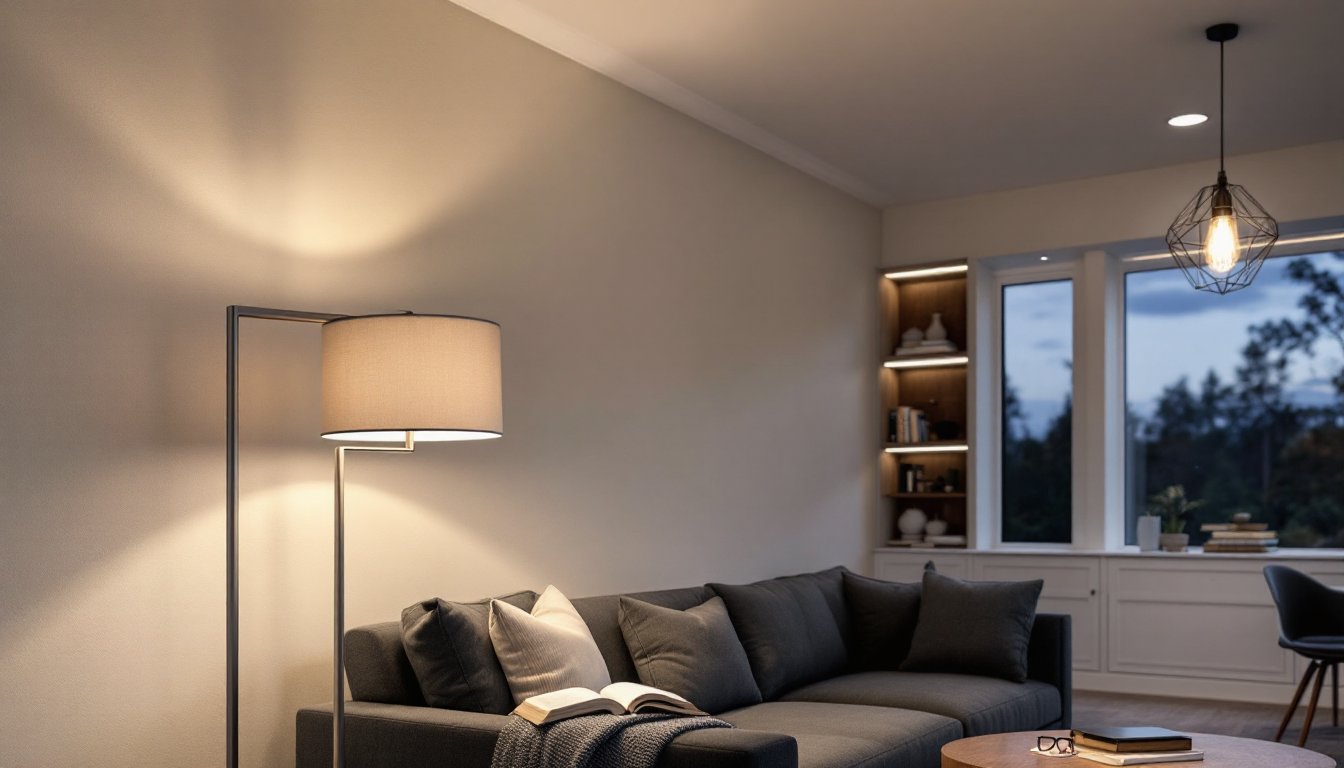
Interior Lighting Design: Transform Your Space With Light in 2026
Good lighting isn’t just about seeing, it’s about feeling. A room can have all the right furniture, paint, and finishes and still fall flat if the lighting is wrong. Interior lighting design is the deliberate planning of light sources, fixture types, and placement to achieve both function and atmosphere. It affects mood, productivity, safety, and even how colors appear on walls and fabrics. Too many homeowners treat lighting as an afterthought, installing a single overhead fixture and calling it done. The result? Flat, uninviting spaces with harsh shadows or dim corners. This guide breaks down the core principles of interior lighting design so anyone can create layered, flexible lighting that actually works.
Key Takeaways
- Interior lighting design uses a three-layer approach—ambient, task, and accent lighting—to create functional, visually appealing spaces that enhance mood and productivity.
- Proper task lighting prevents accidents and reduces eyestrain by positioning bright, focused light exactly where it’s needed, such as under-cabinet strips in kitchens or vanity lights in bathrooms.
- Color temperature (measured in Kelvin) dramatically affects mood: warm white (2700K–3000K) creates coziness in living spaces, while neutral or cool tones work better in kitchens and workspaces.
- Layering multiple light sources at different heights and intensities—rather than relying on a single overhead fixture—prevents flat, uninviting spaces and eliminates harsh shadows.
- Accent lighting with three times the brightness of surrounding ambient light creates visual drama and separates a well-lit room from a professionally designed one.
- Dimmers are essential for ambient lighting, allowing flexible adjustment from bright task lighting to soft, relaxing levels for different activities and times of day.
What Is Interior Lighting Design and Why Does It Matter?
Interior lighting design is the strategic selection and placement of light fixtures to meet functional needs while enhancing a space’s visual appeal. It considers light output (measured in lumens), beam angle, fixture style, and control options like dimmers or smart switches.
Poor lighting causes eyestrain, makes tasks harder, and can make a room feel cold or unwelcoming. A kitchen with only recessed ceiling cans creates shadows on countertops where someone preps food. A living room with a single overhead bulb feels institutional. Good design solves these problems by layering multiple light sources at different heights and intensities.
The difference isn’t just aesthetic. Proper task lighting reduces accidents, think under-cabinet strips illuminating a knife block, or a vanity light eliminating face shadows during shaving. Lighting also affects circadian rhythms: cooler daylight tones in the morning promote alertness, while warmer evening light supports relaxation. Building codes don’t dictate design, but the National Electrical Code (NEC) does require adequate lighting in habitable rooms and proper grounding, always consult local codes if adding circuits or permanent fixtures.
The Three Essential Layers of Interior Lighting
Professional designers use a three-layer approach: ambient, task, and accent lighting. Each layer serves a distinct purpose, and the magic happens when they work together. Skipping a layer results in either a flat or overly busy space.
Ambient Lighting: Your Foundation Layer
Ambient lighting provides overall illumination, the baseline light level that lets people move safely and see the general layout. Common sources include ceiling-mounted fixtures (flush-mounts, semi-flush, chandeliers), recessed downlights, and wall sconces.
In a 12×15-foot living room, plan for roughly 1,500 to 3,000 lumens of ambient light, depending on ceiling height and wall color. Darker finishes absorb light: lighter ones reflect it. Recessed cans spaced 4 to 6 feet apart in a grid pattern work well, but avoid the “airport terminal” look by mixing in pendants or a central fixture for visual interest.
Dimmers are non-negotiable for ambient lighting. They allow adjustment from bright (cleaning, playing games) to soft (movie night). Install a standard dimmer for incandescent or a compatible LED dimmer, mismatched dimmers cause flickering.
Task Lighting: Functional Illumination Where You Need It
Task lighting targets specific work areas: kitchen islands, desks, bathroom vanities, reading nooks. It should be bright enough to prevent squinting but positioned to avoid glare.
In kitchens, under-cabinet LED strips or puck lights illuminate countertops without casting shadows from overhead cans. Mount them toward the front edge of the cabinet, not the back, to reduce glare on glossy counters. For a 6-foot run of cabinets, a single 12-watt LED strip typically provides sufficient light.
For desk work, a swing-arm lamp with at least 450 lumens and a focused beam works better than a decorative table lamp. In bathrooms, vertical fixtures flanking a mirror beat a single overhead, top-only light creates harsh shadows under eyes and chin. Aim for 1,600 lumens total (800 per side) in a standard vanity setup.
Safety note: Always wear safety glasses when drilling into walls or ceilings for fixture installation. If running new electrical circuits, hire a licensed electrician or pull a permit if doing it yourself, code violations can void homeowner’s insurance.
Accent Lighting: Creating Drama and Visual Interest
Accent lighting highlights architectural features, artwork, or objects. It adds depth by creating contrast between light and shadow. Think track lights on a gallery wall, LED strip lights behind floating shelves, or uplights washing a textured stone fireplace.
The general rule: accent lights should be three times brighter than surrounding ambient light to draw the eye effectively. A narrow beam angle (15–30 degrees) focuses attention: wider beams wash larger areas.
Picture lights (small fixtures mounted above frames) work for traditional art, but adjustable track heads offer more flexibility for changing displays. For built-in bookshelves, low-voltage LED tape along the front inside edge of each shelf creates a clean, modern glow. Make sure the tape is hidden from direct view to avoid glare.
Accent lighting isn’t essential for function, but it’s what separates a well-lit room from a designed room. It gives the eye places to rest and makes spaces feel intentional.
Choosing the Right Fixtures for Each Room
Fixture selection depends on ceiling height, room function, and existing wiring. Not every fixture works in every space, and forcing the wrong one creates both aesthetic and practical problems.
Kitchens need a mix: recessed cans for ambient light, under-cabinet strips for task work, and pendants over islands for both task and style. Choose damp-rated fixtures near sinks. If the kitchen has an 8-foot ceiling, avoid pendants longer than 12 inches, they’ll hang in sightlines.
Living rooms benefit from multiple sources at different heights: a central fixture or recessed grid, floor or table lamps for task reading, and wall sconces or uplights for accent. Avoid relying solely on recessed lighting, it flattens the space.
Bedrooms should include dimmable ambient (ceiling fixture or recessed), bedside lamps for reading (at least 400 lumens each), and optional accent lighting like LED strips behind a headboard.
Bathrooms require bright, even task lighting at the vanity, ambient ceiling light (often a code requirement), and optional accent like a backlit mirror. Wet-rated fixtures are required in shower enclosures: damp-rated fixtures work elsewhere in the bathroom.
Dining rooms traditionally use a chandelier or pendant centered over the table. Hang it 30–36 inches above the table surface. Add a dimmer to shift from bright family dinners to intimate settings.
If a room lacks ceiling wiring, plug-in solutions work, floor lamps, table lamps, and plug-in sconces controlled by smart plugs. They’re not as clean as hardwired fixtures, but they avoid opening walls.
Color Temperature and How It Affects Mood
Color temperature, measured in Kelvin (K), describes whether light appears warm (yellow) or cool (blue). It’s one of the most misunderstood aspects of lighting design, and one of the easiest to get wrong.
Warm white (2700K–3000K) mimics incandescent bulbs: cozy, yellowish light suited for living rooms, bedrooms, and dining rooms. It makes wood tones richer and skin tones warmer. Most people prefer this range in social spaces.
Neutral white (3500K–4100K) is crisper, works well in kitchens, bathrooms, and home offices. It’s bright without feeling clinical, and it renders colors more accurately than warm white.
Cool white or daylight (5000K–6500K) is bluish and energizing. It’s ideal for garages, workshops, and task-heavy areas but can feel harsh in living spaces. Use it where color accuracy matters, sewing rooms, art studios, or where alertness is key.
Mixing color temperatures in the same visual field looks amateurish. If recessed cans in a kitchen are 3000K, the under-cabinet strips should match. Bulbs from different manufacturers at the same Kelvin can still look slightly different, so buy from a single product line when possible.
CRI (Color Rendering Index) also matters. A CRI of 90 or higher shows colors accurately: below 80, reds look muddy and skin tones go flat. LED bulbs improved dramatically here, most quality LEDs now hit 90+ CRI.
Testing before committing helps. Buy a few bulbs in different temperatures, try them in the space for a week, and return the ones that don’t work. Lighting is one area where a $10 experiment prevents a $500 mistake.