

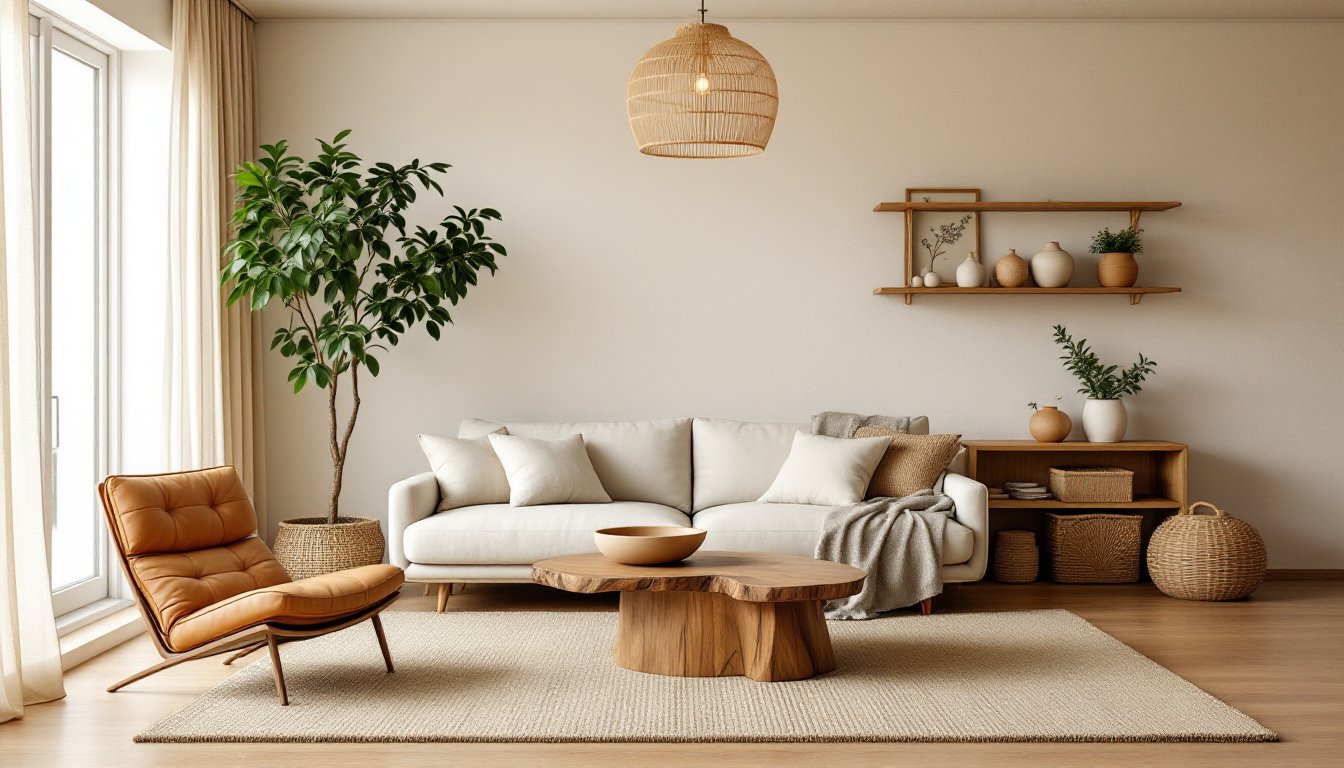
Organic Modern Interior Design: How to Create Warm, Minimalist Spaces in 2026
Organic modern interior design strips away the excess without losing the soul. It’s minimalism that doesn’t feel cold, a style that balances clean lines with warmth, natural textures with simplicity. Unlike stark modern spaces or overly styled farmhouse rooms, organic modern leans into materials like raw wood, linen, and stone while keeping the palette neutral and the layout uncluttered. It’s become the go-to aesthetic for homeowners who want calm, livable spaces that don’t sacrifice personality. This style isn’t about tossing trendy decor into a room, it requires intentional choices about materials, color, and proportion. Here’s how to pull it off.
Key Takeaways
- Organic modern interior design balances minimalism with warmth by combining clean lines and natural materials like solid wood, stone, and linen while maintaining a neutral palette.
- Natural, unprocessed materials such as white oak, walnut, travertine, and woven fibers form the backbone of organic modern design, with texture variation preventing spaces from feeling flat.
- Color in organic modern interiors should be restrained and warm—off-whites, beiges, and warm grays—with earthy accents like terracotta, sage green, or matte black used strategically.
- Incorporate organic modern design by starting with large surfaces (floors, walls, ceilings), choosing wide-plank hardwood or polished concrete, and adding textured finishes like limewash rather than flat paint.
- Furniture and decor must be intentional and minimal, featuring solid wood frames, natural upholstery, and sculptural pieces that allow each item to breathe rather than cluttering the space.
- Layer different textures and materials—such as concrete with chunky wool rugs, linen drapes, leather chairs, and ceramic vases—to create depth and tactile interest in organic modern spaces.
What Is Organic Modern Interior Design?
Organic modern interior design merges the warmth of natural materials with the simplicity of modern minimalism. Think clean-lined furniture made from live-edge walnut, concrete countertops softened by woven baskets, or a room anchored by a single sculptural piece rather than a crowded gallery wall.
The style emerged as a reaction to both overly sterile modernism and the clutter of maximalist trends. It prioritizes natural materials, solid wood, stone, clay, linen, leather, over synthetics. Forms are simple and geometric, but finishes are organic and textured. There’s no chrome or high-gloss lacquer here: instead, expect matte black fixtures, oiled wood, and unsealed plaster.
Unlike Scandinavian design, which leans heavily on light woods and white walls, organic modern allows for deeper tones and richer textures. Unlike mid-century modern, it avoids retro references and bold colors. The result is timeless rather than trendy, a room that feels grounded and intentional without looking overly designed.
Key Elements That Define the Organic Modern Aesthetic
Natural Materials and Textures
The backbone of organic modern design is natural, unprocessed materials. That means solid hardwoods instead of laminate, stone or concrete instead of tile, and woven natural fibers instead of polyester blends.
Common choices include:
- Wood: White oak, walnut, teak, or reclaimed timber with visible grain. Avoid stains that obscure the wood’s character: oil or clear matte finishes work best.
- Stone: Travertine, limestone, marble with natural veining. Honed or matte finishes rather than polished.
- Textiles: Linen, cotton, jute, wool. Look for undyed or naturally dyed fabrics.
- Clay and plaster: Terracotta pots, lime-washed walls, or Venetian plaster for texture without pattern.
Texture variation is critical. Pair smooth concrete with chunky knit throws, or a sleek leather sofa with a handwoven jute rug. Layering different tactile surfaces prevents the space from feeling flat or one-dimensional.
Neutral Color Palettes With Earthy Accents
Organic modern color schemes are restrained but not boring. Base colors are neutral and warm: off-whites, beiges, taupes, warm grays, and soft browns. These act as a canvas for natural wood tones and subtle accent colors.
Earthy accents add depth without overwhelming the space:
- Terracotta and rust tones (clay pots, cushions, throws)
- Olive green or sage (plants, textiles)
- Charcoal or matte black (light fixtures, frames, hardware)
- Warm ochre or mustard (used sparingly in art or ceramics)
Avoid stark white walls unless balanced with rich wood or textured finishes, otherwise the space veers into cold minimalism. Instead, try warm white paint (colors with beige or yellow undertones) or limewash for a softer, more organic feel.
Color should come from materials themselves: the golden tone of oak flooring, the gray of a stone fireplace surround, the natural variation in linen curtains. Paint and decor fill in gaps, not the other way around.
How to Incorporate Organic Modern Design in Your Home
Start with the largest surfaces: floors, walls, and ceilings. These set the tone for everything else.
Flooring should be simple and natural. Wide-plank hardwood (5″ to 7″ wide) in light to medium tones works well: white oak is durable and widely available. For concrete slab foundations, polished or stained concrete is an affordable, on-trend option. Skip luxury vinyl plank, it reads synthetic and undermines the organic feel.
Walls benefit from texture. Instead of flat paint, consider limewash, which adds subtle depth and breathability. Shiplap or board-and-batten can work if kept minimal and painted a warm neutral. Avoid busy wallpaper or heavy crown molding: the style favors clean, unadorned surfaces.
Ceilings are often overlooked but contribute to the overall feel. Exposed beams in natural wood or painted matte white add architectural interest without clutter. Skip popcorn texture or ornate medallions.
For an organic modern living room, keep furniture low-profile and uncluttered. A linen sectional in oatmeal or sand, paired with a live-edge coffee table and a wool area rug, hits the aesthetic. Swap out metal-and-glass side tables for solid wood or stone. Use open shelving in natural wood rather than closed cabinetry to display a curated selection of ceramics or books.
Lighting is key. Trade out builder-grade fixtures for sculptural pieces in matte black, brushed brass, or natural rattan. Pendant lights with organic shapes (woven, rounded, or asymmetrical) soften the space. Dimmer switches let you adjust ambiance, critical for a style that relies on mood as much as materials.
Layering is essential. A single material or texture feels incomplete: the magic happens when you combine rough and smooth, matte and slightly glossy, warm and cool tones. A room might pair a concrete floor with a chunky wool rug, linen drapes, a leather chair, and a ceramic vase, all neutral, all natural, but each contributing a different tactile quality.
Choosing Furniture and Decor for an Organic Modern Look
Furniture should be functional, well-made, and free of unnecessary ornamentation. Look for solid wood frames, natural upholstery, and simple silhouettes. Avoid anything with too many curves, heavy carvings, or glossy finishes.
Sofas and seating: Opt for low-profile designs with clean lines. Linen or cotton slipcovers in neutral tones work well and are practical for real life. Leather is a strong choice if it’s full-grain and allowed to age naturally, distressed or overly treated leather feels forced.
Tables: Dining tables and coffee tables should showcase the material. A solid oak or walnut dining table with a live edge brings organic character without fussiness. Avoid glass tops or overly polished finishes. For coffee tables, consider stone (travertine, marble) or a simple wood slab on a steel base.
Storage: Open shelving in natural wood or metal keeps the look airy. Closed storage should be seamless, think flat-front cabinetry with integrated pulls or push-to-open mechanisms. Rattan or wicker baskets add texture while hiding clutter.
Decor should be minimal and intentional. A few sculptural pieces go further than a dozen small items. Consider:
- Large ceramic vases in matte finishes (white, terracotta, charcoal)
- Handwoven baskets for texture and storage
- Live plants in simple pots (fiddle leaf fig, snake plant, olive tree)
- Abstract or nature-inspired art in wood or black frames
Avoid trendy signs, overly colorful prints, or anything that feels mass-produced. The goal is curation, not collection. Each item should earn its place by contributing to the material story of the room.
Textiles matter. Swap synthetic throws for chunky knit wool blankets or linen coverlets. Use cotton or linen curtains in natural tones, they diffuse light beautifully and add softness. Layer rugs: a large jute rug can anchor the space, with a smaller sheepskin or wool rug layered on top for warmth.
Hardware and fixtures should be understated. Matte black cabinet pulls, brushed brass faucets, and unlacquered brass light switches all fit the aesthetic. Avoid polished chrome or ornate detailing.
Conclusion
Organic modern design works because it respects materials and space equally. It’s not about filling a room, it’s about choosing the right elements and letting them breathe. Start with natural materials, stick to a restrained palette, and edit ruthlessly. The result is a home that feels intentional, grounded, and genuinely livable.