

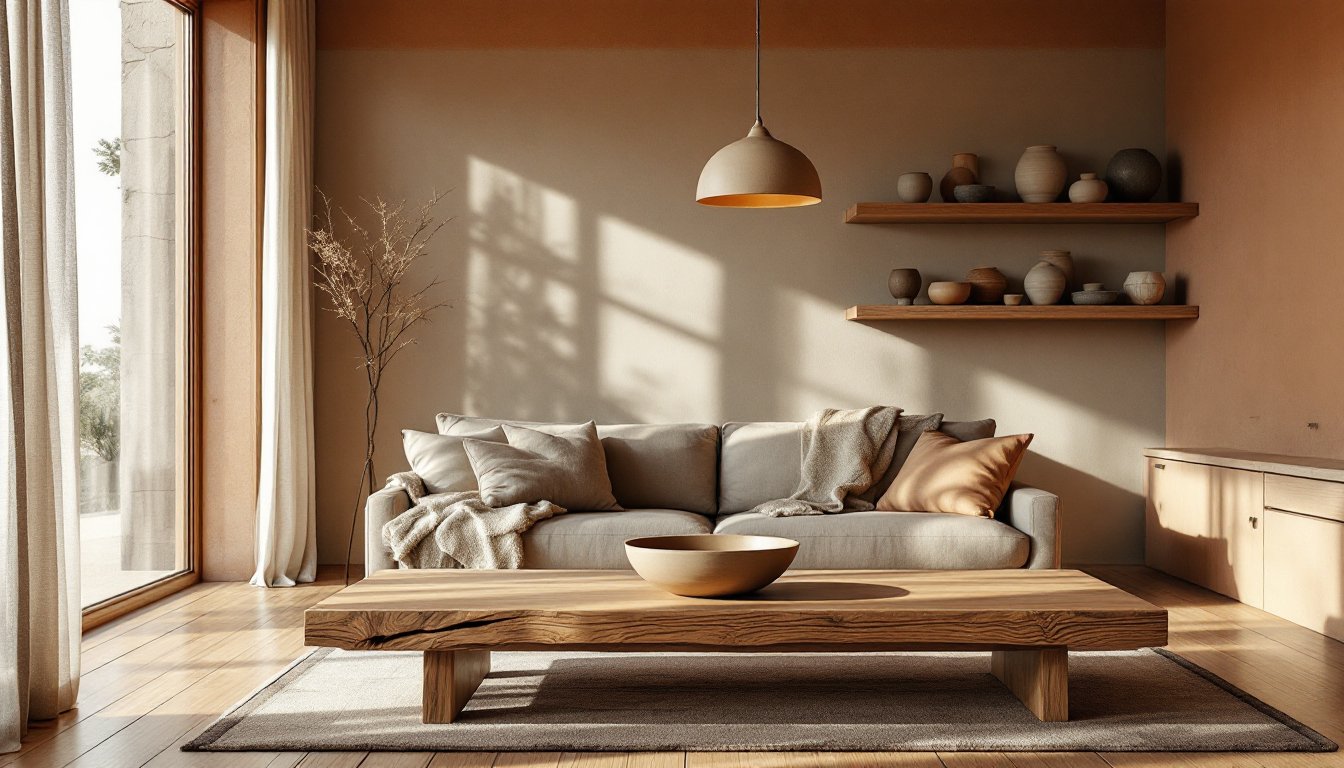
Wabi Sabi Interior Design: How to Embrace Imperfect Beauty in Your Home
Wabi sabi isn’t another Pinterest trend promising a picture-perfect home. It’s a Japanese philosophy that finds beauty in the worn, the weathered, and the naturally imperfect, making it one of the most forgiving design approaches for real homes with real lives happening inside them. Unlike sterile, catalog-ready interiors, wabi sabi celebrates the character marks of daily use: the patina on a copper sink, the irregular grain in reclaimed lumber, the handmade bowl with a slightly crooked rim. For homeowners tired of chasing unattainable perfection, this design philosophy offers a practical path to creating spaces that feel lived-in, honest, and deeply restful.
Key Takeaways
- Wabi sabi interior design embraces imperfection, impermanence, and simplicity by celebrating the natural aging of materials like weathered wood, patina copper, and unsealed stone rather than fighting against inevitable wear.
- Wabi sabi spaces prioritize natural materials—reclaimed wood, clay plaster, linen, and unfinished stone—that show their origins and develop character over time, making them lower-maintenance than high-gloss alternatives.
- Core principles include valuing handmade craftsmanship over mass production, choosing muted organic colors (ochre, clay, charcoal, sage), and editing décor down to what’s essential and purposeful.
- Practical implementation can start with one room by replacing flooring with solid hardwood finished in hard wax oil, swapping standard paint for clay paint or lime wash, and selecting simple fixtures in natural metals like unlacquered brass or blackened steel.
- Unlike minimalism, wabi sabi interior design welcomes visible wear, natural irregularities, and asymmetry as evidence of authenticity, creating warm, lived-in spaces that don’t require constant maintenance to preserve their aesthetic.
What Is Wabi Sabi Interior Design?
Wabi sabi is rooted in Zen Buddhist principles and roughly translates to finding beauty in impermanence, imperfection, and incompleteness. In practical design terms, it means embracing materials that age gracefully, accepting asymmetry, and valuing authenticity over polish.
This isn’t about deliberately making a space look distressed or shabby. It’s about choosing materials and finishes that show honest wear, think untreated oak flooring that darkens over time, plaster walls with subtle trowel marks, or stone countertops left unsealed to develop a natural patina. The goal is creating environments that feel grounded in the present moment while acknowledging the passage of time.
From a practical standpoint, wabi sabi interiors tend to be lower-maintenance than their high-gloss counterparts. A hand-scraped hardwood floor hides scratches better than prefinished planks. Lime wash paint ages beautifully without needing frequent touch-ups. These aren’t design shortcuts, they’re intentional choices that work with how materials naturally behave rather than fighting against them.
Core Principles of Wabi Sabi Design
Three foundational principles guide wabi sabi interiors: imperfection, impermanence, and simplicity.
Imperfection means valuing the handmade over the mass-produced. A dining table built from rough-sawn lumber with visible knots and uneven grain tells a story that factory-milled boards can’t match. When installing trim or cabinetry, slight variations in wood tone or minor gaps aren’t failures, they’re evidence of natural materials behaving naturally.
Impermanence acknowledges that everything changes. Materials like unsealed concrete, raw steel, and natural linens shift in color and texture as they age. Rather than sealing every surface against inevitable wear, wabi sabi design lets copper develop verdigris, lets linen curtains fade in sunlight, and lets terra cotta tile absorb moisture and deepen in tone.
Simplicity doesn’t mean sparse or empty. It means editing down to what’s essential and purposeful. In practical terms: skip the decorative crown molding in favor of clean drywall returns, choose open shelving over upper cabinets to reduce visual weight, and let a single well-made object occupy wall space instead of clustering artwork.
These principles affect material selection and installation methods. For example, when laying wide-plank flooring (8″ or wider), slight cupping and seasonal movement is expected, not a defect. When applying natural plaster or limewash, variations in thickness and subtle color shifts are part of the finish, not application errors.
Key Elements That Define a Wabi Sabi Space
Natural Materials and Textures
Wabi sabi spaces rely heavily on materials that show their origins. Reclaimed wood, natural stone, rammed earth, clay plaster, and linen all carry visible texture and variation.
When sourcing lumber, look for air-dried hardwoods rather than kiln-dried when possible. Air-dried wood retains more natural oils and ages with richer patina. For wall finishes, consider venetian plaster or tadelakt, both develop depth and slight irregularity that paint can’t replicate. Application requires skill: plan on hiring a plasterer experienced with these finishes or budget significant practice time on sample boards.
Stone and concrete should be left unsealed or finished with penetrating sealers rather than topical coatings. Honed granite or limestone countertops will stain and etch, that’s the point. If a homeowner can’t accept a water ring on stone, wabi sabi isn’t the right approach for that surface.
For textiles, choose undyed linen, raw silk, jute, and wool in their natural states. These fibers show texture variation, and their performance improves with age and washing. Machine-wash linen to encourage the characteristic rumpled texture: pressing it flat defeats the purpose.
Muted Color Palettes and Organic Tones
Wabi sabi color schemes pull directly from nature: ochre, clay, charcoal, sage, sand, and stone gray. High-chroma colors and stark white are rare.
When mixing paint, consider using natural pigments in lime wash or mineral paint bases. These finishes have lower VOCs than standard latex and develop a chalky, textured surface as they cure. Coverage runs about 400–500 square feet per gallon for lime wash (versus 350–400 for standard paint), but application technique matters more than thickness, brush strokes should remain visible.
For trim and cabinetry, skip bright white in favor of off-white with warm undertones, or leave wood unstained with a clear penetrating oil finish like tung oil or linseed oil. These oils darken wood slightly and require reapplication every 1–2 years, but they allow wood to breathe and age naturally.
Concrete floors can be left bare with a densifier treatment, which hardens the surface without adding a film layer. Expect dusting in the first few months: this diminishes as the surface cures. For softer underfoot feel, consider polished plaster floors, labor-intensive but creates a seamless, slightly irregular surface that’s warmer than concrete.
How to Incorporate Wabi Sabi Into Your Home
Start with one room and focus on swapping out a few high-impact elements rather than attempting a whole-house overhaul.
Flooring: Replace carpet or laminate with solid hardwood in wider planks (6″–10″ width). Choose a species like white oak or walnut and finish with hard wax oil instead of polyurethane. Hard wax penetrates the wood and can be spot-repaired: polyurethane sits on top and shows scratches more obviously. If working with existing hardwood, consider sanding off the poly and refinishing with oil. This is a dusty, multi-day project, seal off the room with plastic sheeting and run a HEPA-filtered shop vac throughout.
Walls: Skip the standard eggshell latex. Try clay paint, which applies like regular paint but dries to a matte, slightly textured finish. It’s breathable, hides minor wall imperfections, and can be tinted with natural pigments. Application is straightforward with a roller or brush: expect 300–350 square feet per gallon.
Furniture: Swap particle board or veneered pieces for solid wood furniture with visible joinery. Dovetails, mortise-and-tenon joints, and hand-planed surfaces all fit the aesthetic. Sourcing from estate sales or used markets is practical and budget-friendly, refinishing old hardwood furniture is often easier than assembling flat-pack MDF.
Lighting: Replace overhead can lights with paper lanterns, ceramic pendants, or hand-forged metal fixtures. The goal is soft, diffused light rather than bright, even illumination. Consider installing dimmer switches (standard single-pole dimmers run around $15–$25 and are a straightforward swap if the existing switch box has a neutral wire).
Textiles: Layer in handwoven throws, linen curtains, and wool rugs. Avoid synthetic fabrics and anything with a high sheen. Linen curtains don’t need lining, let light filter through. Hang using simple iron rods with basic brackets: decorative finials and elaborate hardware distract from the fabric.
Hardware and fixtures: Choose unlacquered brass, blackened steel, or bronze for door hardware, cabinet pulls, and plumbing fixtures. Unlacquered brass tarnishes and develops patina, clean it if desired with lemon and salt, or let it age naturally. Note that some local codes require specific finishes for plumbing fixtures in wet areas: verify compliance before ordering.
Wabi Sabi vs. Minimalism: Understanding the Difference
Both wabi sabi and minimalism favor simplicity and restraint, but they diverge sharply in execution and intent.
Minimalism tends toward precision, clean lines, and industrial or synthetic materials. Think polished concrete, frameless cabinetry, hidden fasteners, and surfaces that appear untouched by time. The goal is visual reduction and control.
Wabi sabi embraces irregularity, natural materials, and visible age. A minimalist kitchen might feature seamless white lacquer cabinets: a wabi sabi kitchen uses open shelving with rough-sawn wood and handmade ceramic dishware. Minimalism hides wear: wabi sabi expects it.
From a construction standpoint, minimalism often costs more because it demands tighter tolerances. Frameless cabinets require precise installation, and seamless surfaces show every imperfection. Wabi sabi is more forgiving, slight gaps, uneven plaster, and wood movement are part of the design language, not defects to fix.
If a homeowner wants a space that looks untouched and magazine-ready at all times, minimalism is the better fit. If they want a home that feels warm, lived-in, and gracefully imperfect, wabi sabi offers a practical alternative that ages well and doesn’t require constant maintenance to maintain the look.