

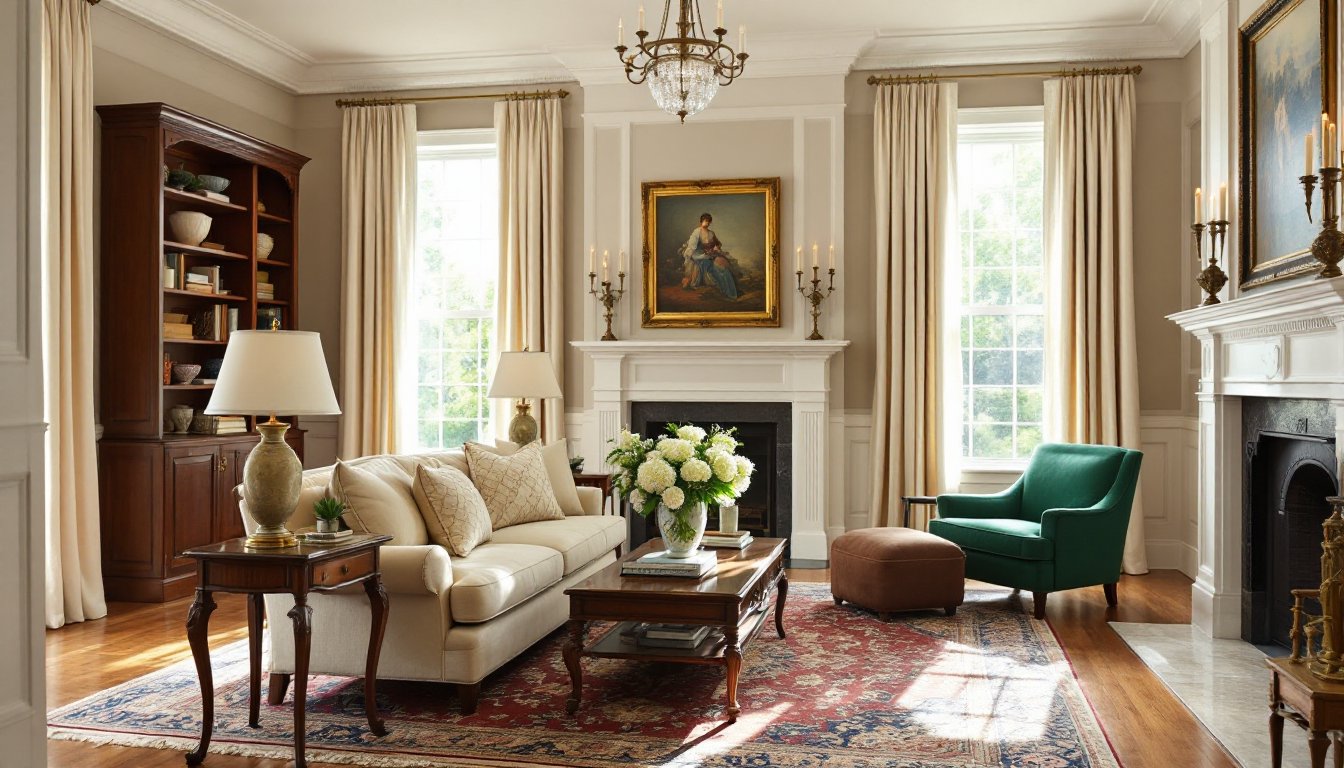
Classic Traditional Interior Design: Timeless Elegance for Every Home
Classic traditional interior design has endured for centuries because it prioritizes comfort, symmetry, and quality craftsmanship over fleeting trends. This style draws from European influences, English manor homes, French châteaux, and American Colonial architecture, to create spaces that feel refined yet lived-in. Unlike minimalist or industrial aesthetics, traditional design layers texture, pattern, and decorative detail to build warmth and visual interest. Homeowners who invest in traditional interiors often find them easier to maintain and refresh over time, as the foundational elements remain relevant regardless of design fads. Understanding the core principles makes it possible to adapt this style to any floor plan or budget.
Key Takeaways
- Classic traditional interior design emphasizes symmetry, quality craftsmanship, and layered texture to create elegant, comfortable spaces that withstand design trends.
- Define your traditional style with solid wood furniture, natural stone, architectural details like crown molding and wainscoting, and a color palette of deep jewel tones and warm neutrals.
- Achieve traditional design in modern homes by adding picture frame molding, upgrading doors and hardware, installing quality lighting fixtures, and mixing vintage pieces with new upholstered seating.
- Avoid overcrowding, ignoring scale, and mixing too many wood tones—stick to one dominant pattern per room and maintain proper spacing between furniture pieces for visual balance.
- Invest in foundational improvements such as durable flooring, solid-core doors, and trim before purchasing furnishings, since traditional interiors improve with age rather than require constant updates.
What Defines Classic Traditional Interior Design?
Classic traditional interior design relies on symmetry, rich detail, and historical references. The style emphasizes balanced layouts, matching table lamps flanking a sofa, centered artwork above a mantel, or pairs of windows evenly spaced on a wall. Furnishings typically feature turned legs, carved wood accents, and upholstered pieces with rolled arms or nailhead trim. Architectural elements such as crown molding, wainscoting, and coffered ceilings add depth and formality.
Material quality matters more than quantity. Traditional spaces incorporate solid wood furniture (cherry, mahogany, walnut, or oak), natural stone (marble or limestone), and metals like brass or bronze. Fabrics lean toward silk, velvet, damask, and linen, often layered in drapery, throw pillows, and upholstery.
Color schemes draw from nature and history: deep burgundies, forest greens, navy blues, and warm neutrals like cream, taupe, and caramel. Walls may feature paint finishes with slight sheen (eggshell or satin) or wallpaper with damask, toile, or floral patterns. Floors often use hardwood (3/4-inch solid oak or maple, typically 2 1/4-inch plank width) or natural stone tile in entryways and kitchens.
Traditional design avoids stark minimalism. Instead, it fills rooms with carefully curated collections, framed art, porcelain, books, and antiques, arranged to suggest history and personality without crossing into clutter.
Essential Elements of Traditional Design
Furniture and Architectural Details
Furniture selection in traditional interiors prioritizes permanence and proportion. Sofas and chairs often feature hardwood frames (kiln-dried maple or oak) with eight-way hand-tied springs for longevity. Look for pieces with exposed wood details: cabriole legs, ball-and-claw feet, or fluted columns. Upholstery fabrics should be durable, medium-weight cotton blends, linen, or performance fabrics rated for 30,000+ double rubs if the space sees heavy use.
Case goods, dressers, sideboards, and bookcases, work best in solid wood or wood veneer over engineered cores. Dovetail joinery (especially in drawers) signals quality construction. Finishes range from dark espresso to medium cherry or distressed painted surfaces in cream or sage.
Architectural details define a traditional room as much as furnishings. Install crown molding (3 1/2-inch to 5 1/2-inch profiles) where walls meet ceilings. Add chair rail molding at 32 to 36 inches above the floor in dining rooms or hallways, paired with wainscoting below (beadboard or raised panel). Baseboards should be at least 4 1/2 inches tall: older homes often feature 6- to 8-inch baseboards. For ceilings, coffered panels or ceiling medallions around light fixtures add formality.
Windows deserve substantial drapery treatments: floor-length panels in silk or velvet, mounted on decorative rods (wrought iron or wood poles, 1 3/8-inch to 2-inch diameter), often layered with valances or Roman shades. Hardware finishes, brushed nickel, oil-rubbed bronze, or antique brass, should match door hinges and cabinet pulls throughout the space.
Color Palettes and Material Choices
Traditional color palettes favor depth and warmth. Walls might be painted in Benjamin Moore’s “Revere Pewter” (a warm greige), Farrow & Ball’s “Railings” (a near-black with green undertones), or classic “Swiss Coffee” for trim. Accent walls can handle jewel tones, emerald, sapphire, or ruby, especially in libraries or dining rooms. Pair these with cream or ivory trim in semi-gloss or high-gloss finish for contrast.
Wallpaper remains a staple. Damask patterns work in formal dining rooms, while toile de Jouy suits bedrooms or powder rooms. Stripe patterns in hallways add height. Always prime walls with an oil-based or shellac-based primer (like Zinsser B-I-N) before hanging wallpaper over fresh drywall to ensure adhesion and prevent the paper from peeling.
Flooring materials anchor traditional spaces. Hardwood is standard, red oak or white oak in 2 1/4-inch or 3-inch widths, finished with satin polyurethane or hand-scraped for character. In kitchens and baths, 12×12-inch or 18×18-inch natural stone tiles (travertine, slate, or marble) laid in straight or diagonal patterns feel appropriate. Area rugs, hand-knotted Oriental or Persian designs, should cover about two-thirds of a room’s floor, with all furniture front legs resting on the rug to unify the seating area.
Countertops in kitchens and baths benefit from natural stone: granite, marble, or soapstone. Marble works well for low-traffic surfaces (bathroom vanities), but it etches and stains easily in kitchens. Granite offers more durability. Pair stone with backsplashes in subway tile (3×6-inch white ceramic), mosaic, or matching stone.
How to Achieve a Traditional Look in Modern Spaces
Open-concept floor plans and builder-grade finishes challenge traditional design, but thoughtful modifications bridge the gap. Start by adding architectural detail. Install picture frame molding (also called shadow boxes) on flat walls: use 1×2 or 1×3 pine strips cut to length, mitered at corners, and painted to match the wall. This creates visual interest without major construction. Apply crown molding even if ceilings are only eight feet tall, a 3 1/2-inch profile won’t overwhelm the space.
Replace hollow-core doors with six-panel solid-core doors (available at big-box stores for around $80–$150 per slab). Swap builder-grade lever handles for traditional door knobs in aged bronze or brushed nickel. In the kitchen, replace flat cabinet doors with raised-panel fronts or add trim to existing doors to mimic Shaker or beadboard styles. Paint cabinets in off-white, soft gray, or classic navy using a durable alkyd enamel or waterborne enamel (like Benjamin Moore Advance) for a smooth, furniture-like finish.
Lighting shifts the mood dramatically. Remove recessed can lights in favor of semi-flush mount fixtures or chandeliers with multiple arms and fabric shades. In kitchens, pendant lights with seeded glass or bronze cages work better than minimalist pendants. Use table lamps with opaque or fabric shades rather than exposed-bulb fixtures.
For furnishings, avoid buying entire room sets. Mix vintage or antique pieces (search estate sales, online marketplaces, or consignment shops) with new upholstered seating. A refinished mid-century sideboard can read traditional when styled with brass hardware and classic décor. Layer textiles, linen throw pillows, a wool throw, velvet curtains, to add texture even if the sofa itself is contemporary.
In spaces with low ceilings or limited natural light, keep walls in lighter neutrals and reserve dark colors for accents. Mirrors with ornate frames reflect light and add traditional detail without requiring structural changes.
Common Mistakes to Avoid in Traditional Interiors
Overcrowding tops the list of traditional design pitfalls. While the style embraces layered detail, cramming too many patterns or furniture pieces creates visual chaos. Stick to one dominant pattern per room, floral drapery, for example, and support it with solid or subtly textured fabrics elsewhere. Leave at least 24 inches of walking space between furniture pieces: 36 inches is better for high-traffic areas.
Another misstep: ignoring scale. Traditional furniture tends toward substantial proportions. A massive sectional overwhelms a 12×14-foot living room, while a dainty loveseat looks lost in a 20×20-foot great room. Measure carefully. Sofas should be no more than two-thirds the length of the wall they sit against. Coffee tables should be about two-thirds the length of the sofa and sit 14 to 18 inches away from the seat edge.
Skipping prep work sabotages finish quality. Before painting trim or installing molding, fill nail holes with lightweight spackling compound, sand smooth with 180-grit sandpaper, and prime with a stain-blocking primer (especially over dark wood). Cutting corners here results in rough texture and visible imperfections under satin or gloss paint.
Mixing too many wood tones creates a disjointed look. Traditional spaces handle two or three wood finishes comfortably, perhaps dark walnut dining furniture, medium oak floors, and natural wood ceiling beams, but going beyond that risks a showroom mismatch. If in doubt, repeat finishes: match the coffee table to the side tables, or coordinate cabinet stain with door trim.
Finally, neglecting lighting layers leaves rooms flat and dim. Traditional design requires three types of lighting: ambient (overhead chandeliers or flush mounts), task (reading lamps, under-cabinet strips), and accent (picture lights, sconces). Install dimmer switches on overhead fixtures to adjust mood. Budget at least $150 to $300 per room for quality lighting fixtures that don’t look dated in five years.
Conclusion
Classic traditional interior design rewards patience and attention to detail. By prioritizing symmetry, quality materials, and layered architectural elements, homeowners can create spaces that feel both elegant and comfortable. Start with foundational improvements, molding, solid doors, durable flooring, before investing in furnishings. The style’s enduring appeal lies in its flexibility: traditional principles adapt to tight budgets and modern floor plans without sacrificing character. Done right, a traditional interior improves with age rather than requiring constant updates.