

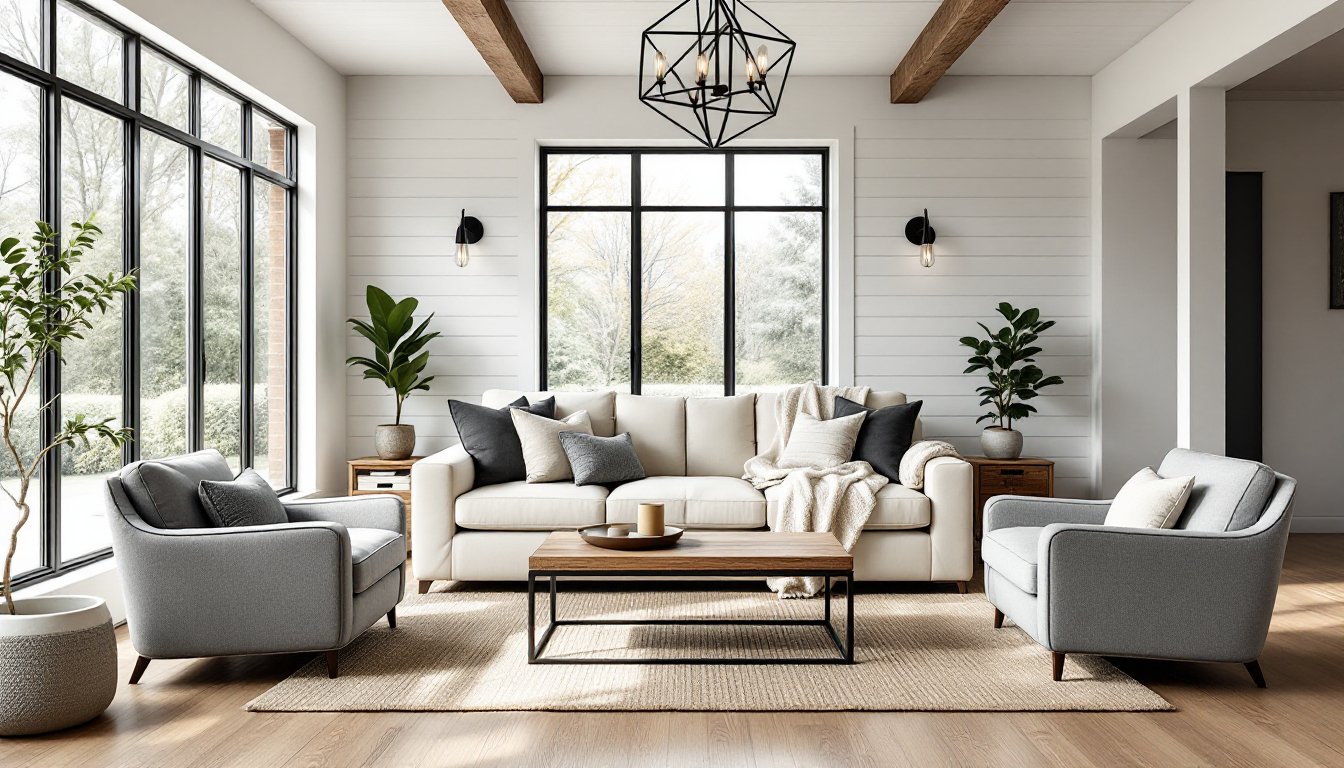
Modern Farmhouse Interior Design: How to Create Timeless Rustic Elegance in 2026
Modern farmhouse interior design continues to dominate home renovation projects in 2026, blending clean contemporary lines with warm, rustic charm. This style isn’t about slapping shiplap on every wall or filling rooms with distressed furniture, it’s a thoughtful balance of old and new, comfort and polish. Homeowners who nail this look create spaces that feel both collected over time and intentionally curated. The best modern farmhouse interiors avoid theme-park kitsch by focusing on quality materials, neutral foundations, and carefully chosen vintage-inspired pieces. Whether tackling a full remodel or refreshing a single room, understanding the core principles helps achieve that effortless, livable elegance without the guesswork.
Key Takeaways
- Modern farmhouse interior design succeeds by balancing warm rustic charm with clean contemporary lines, avoiding theme-park kitsch through quality materials and intentional curation.
- Neutral wall colors like warm whites, greiges, and soft taupes form the foundation, complemented by muted accent colors like sage green and charcoal gray rather than bold or saturated tones.
- Natural wood, stone, and concrete materials create authentic textures that painted surfaces alone cannot achieve; prioritize solid hardwood flooring in wide planks and quality metal finishes in matte black or aged brass.
- Furniture should prioritize comfort with oversized sofas, substantial farmhouse tables with solid wood construction, and mixed seating styles that avoid overly distressed pieces that feel forced.
- Layer textiles, lighting, and decorative elements purposefully rather than filling rooms; each item should serve a function or tell a story while maintaining visual breathing room.
- Start with foundational elements like paint, flooring, and key furniture before layering in textures and accessories, then test the approach in one or two rooms before committing to a full-house transformation.
What Defines Modern Farmhouse Interior Design?
Modern farmhouse design marries the simplicity of Scandinavian minimalism with the warmth of American rural tradition. The style strips away ornate Victorian details while retaining architectural character through exposed beams, board-and-batten wall treatments, and natural wood tones.
Key characteristics include open floor plans that encourage flow between kitchen, dining, and living areas, a departure from compartmentalized traditional farmhouses. Ceiling heights matter: vaulted or coffered ceilings add volume without feeling commercial, especially when balanced with cozy furnishings below.
Shiplap remains popular but works best as an accent (one feature wall or ceiling detail) rather than covering entire rooms. Reclaimed wood adds authenticity, though new lumber milled to look weathered offers consistency and easier installation. When using salvaged materials, check for lead paint, structural integrity, and insect damage before installation.
The “modern” aspect shows up in clean-lined cabinetry, industrial light fixtures, and a restrained color palette. Unlike pure farmhouse style’s busy patterns and heavy fabrics, modern farmhouse leans minimal, each decorative piece earns its place. The goal is lived-in comfort that doesn’t sacrifice visual breathing room.
Essential Color Palettes for Modern Farmhouse Interiors
The foundation starts with neutral walls: warm whites, greiges (gray-beige hybrids), and soft taupes. Benjamin Moore’s White Dove and Sherwin-Williams’ Alabaster remain go-to choices for their warmth without yellow undertones. These shades reflect natural light while providing a backdrop that won’t compete with wood tones or textiles.
Accent colors should feel organic rather than bold. Muted sage greens, dusty blues, and charcoal grays work as secondary hues in cabinetry, furniture, or textiles. Black appears in hardware, window frames, and light fixtures, it grounds spaces and adds modern contrast without harshness.
Wood tones matter as much as paint. Mix honey-toned oak or pine with darker walnut or espresso stains to create depth. Avoid matchy-matchy, flooring, cabinetry, and furniture should complement rather than perfectly coordinate.
For those wanting subtle pattern, consider:
- Ticking stripes in navy or black on white (pillow covers, curtains)
- Buffalo check in muted tones for throws or seat cushions
- Simple geometric tile patterns in kitchens or bathrooms (subway layouts, herringbone)
Steer clear of overly saturated barn reds or country blues unless used sparingly in small accessories. The palette should whisper rustic, not shout it.
Key Materials and Textures That Bring the Style to Life
Material selection makes or breaks the modern farmhouse look. Authentic textures create tactile interest that painted surfaces alone can’t achieve.
Natural wood takes priority. Solid hardwood flooring (¾-inch thickness) in wide planks (5-7 inches or more) feels substantial underfoot. Wire-brushed or hand-scraped finishes add character without looking distressed. For budget-conscious projects, luxury vinyl plank (LVP) with realistic wood grain and texture offers durability in kitchens and baths.
Stone and concrete provide cool contrast to warm woods. Soapstone and honed marble work for countertops, though they require sealing and maintenance, discuss care requirements with suppliers. Concrete countertops (2-inch thickness typical) suit DIYers comfortable with mixing, pouring, and finishing, but proper sealing is non-negotiable to prevent staining.
In backsplashes and bathroom surrounds, white subway tile (3×6 inches) remains practical and timeless. Install with slightly wider grout lines (⅛ inch rather than 1/16 inch) and choose warm gray or off-white grout instead of bright white for a softer look.
Metal finishes lean toward matte black, oil-rubbed bronze, or unlacquered brass. Avoid mixing more than two metal finishes per room to maintain cohesion. Wrought iron stair railings or shelf brackets add industrial edge.
Textiles bring softness: linen curtains, wool area rugs, cotton throws. Choose natural fibers over synthetics, they age better and feel more authentic. Layer textures rather than matching them: a chunky knit throw on a smooth leather sofa creates visual interest through contrast.
Furniture Selection: Blending Comfort with Rustic Charm
Furniture should look comfortable enough to actually use. Oversized sofas with deep seats (40+ inches) and neutral slipcovers anchor living areas. Linen or cotton-blend fabrics handle family life better than delicate velvets. Avoid overly distressed pieces that feel forced, subtle wear looks intentional: heavy distressing reads as staging.
Farmhouse tables remain central to the style. Look for solid wood construction with substantial legs (at least 4×4 inches at the top, tapering allowed) and plank-style tops. A 1½-inch-thick top resists warping better than thinner stock. For DIYers building their own, use kiln-dried lumber and allow proper acclimation time (48 hours minimum in the installation environment) to prevent gaps.
Mix seating styles around dining tables: wooden benches on one side, upholstered chairs at ends, or a combination of both. This breaks up visual monotony and adds casual flexibility.
Open shelving works in kitchens and living areas but requires discipline, edit displays regularly to avoid clutter. Use actual lumber shelves (2-inch-thick stock) supported by heavy-duty brackets rated for the load. A 36-inch shelf holding dishes needs brackets every 24 inches maximum.
Vintage and reproduction pieces can coexist if they share similar proportions and finishes. A genuine antique hutch pairs well with new seating if wood tones coordinate. Avoid theme-park reproductions with fake wear marks, seek out solid construction and honest materials instead.
Functional storage keeps spaces clean: built-in benches with lift-up seats, console tables with lower shelves, and armoires that hide electronics. Modern farmhouse celebrates openness but doesn’t ignore the practical need to stash everyday items.
Decorative Elements and Finishing Touches
Decorative choices separate authentic modern farmhouse from catalog cliché. Less is more, each item should serve a purpose or tell a story.
Lighting fixtures carry significant visual weight. Look for:
- Industrial-style pendants with metal shades over islands and dining tables
- Wrought iron chandeliers with simple, geometric lines (avoid overly ornate)
- Edison bulbs in clear glass fixtures for warm, visible filament glow
- Sconces flanking mirrors or along hallways with matte black or aged brass finishes
Install dimmer switches on all overhead lighting for flexibility. Most modern dimmers work with LED bulbs, but verify compatibility to avoid buzzing or flickering.
Wall décor stays purposeful. Oversized vintage-inspired clocks, antique mirrors with worn frames, or black-framed botanical prints work better than mass-produced word art. Shiplap accent walls (if used) should run horizontally with ⅛-inch gaps between boards: nickel-gap spacing creates cleaner lines than traditional wider gaps.
Textile layers add warmth: chunky knit throws draped over seating, linen pillow covers in neutral tones, jute or sisal area rugs under furniture groupings. Avoid matching pillow sets, mix sizes and textures instead.
Greenery softens hard surfaces. Potted herbs in kitchens, fiddle-leaf figs in corners, or eucalyptus stems in simple ceramic vases bring life without fussiness. Real plants beat faux if maintenance is realistic: otherwise, high-quality silk plants work in low-light areas.
Hardware matters: swap builder-grade cabinet pulls for matte black or brushed brass. Cup pulls and simple bar pulls (3-inch or 4-inch centers) suit the style better than ornate knobs. Budget $3-8 per pull for decent quality that won’t tarnish quickly.
Room-by-Room Modern Farmhouse Design Tips
Kitchen: White or light-colored shaker cabinets form the base. Consider a contrasting island in navy, charcoal, or natural wood. Butcher block countertops (1½ to 2 inches thick) on islands add warmth and function: seal with food-safe mineral oil or a proper countertop finish. Apron-front sinks (farmhouse sinks) suit the style but require cabinet modifications, verify cabinet width (minimum 33 inches for a 30-inch sink) and plan for proper support. Open upper shelving on one wall breaks up cabinetry: install 8-10 inches deep for dinner plates.
Living Room: Arrange furniture to encourage conversation rather than just facing the TV. A large sectional or sofa plus two chairs creates flexible seating. Exposed ceiling beams (real or faux) add architectural interest: real beams require structural assessment and proper attachment to joists or trusses. Faux beams made from lightweight polyurethane install with adhesive and look convincing from ground level.
Bedroom: Keep it simple, an upholstered headboard or wooden bed frame, white bedding with textured throws, and flanking nightstands with vintage-style lamps. Board-and-batten accent walls behind beds add dimension without overwhelming small spaces. Install battens every 12-16 inches vertically over a painted base wall: use 1×2 or 1×3 boards and fill nail holes before final paint.
Bathroom: White subway tile, matte black fixtures, and a freestanding or skirted vanity create the look. Consider wainscoting (typically 32-36 inches high) or vertical shiplap on lower walls. Frameless mirrors or simple black-framed mirrors work better than ornate medicine cabinets. If replacing fixtures, verify rough-in dimensions match before purchasing, most toilets use a 12-inch rough-in, but older homes may have 10 or 14-inch spacing.
Conclusion
Modern farmhouse interior design succeeds when it balances warmth with restraint. The style rewards those who invest in quality materials, keep color palettes grounded, and resist the urge to over-theme. Start with one or two rooms to test the approach before committing to a whole-house transformation. Focus on getting the foundational elements right, paint, flooring, and key furniture, then layer in textures and decorative pieces that reflect personal taste rather than catalog trends. Done well, these spaces age gracefully and adapt as needs change.