

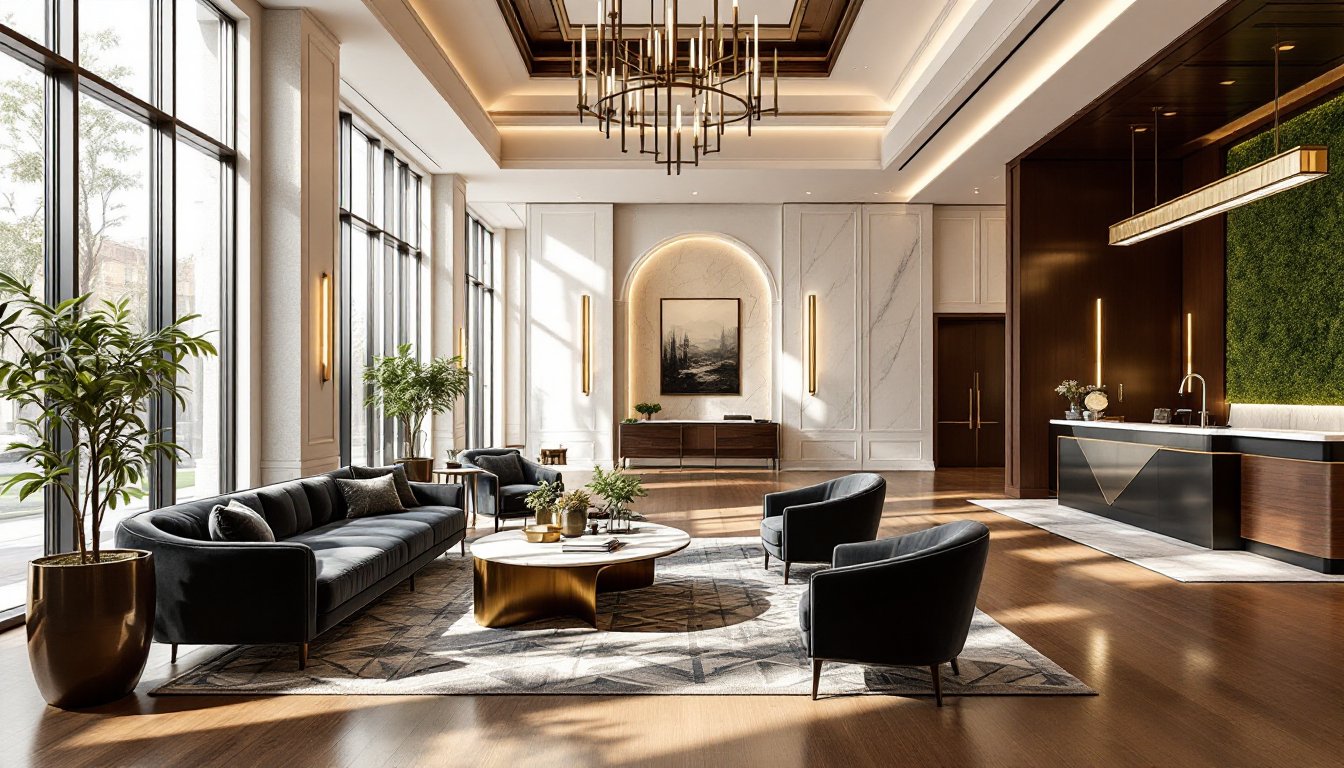
Luxury Hotel Interior Design: Creating Unforgettable Guest Experiences in 2026
Luxury hotel interior design isn’t about slapping marble on every surface or cramming in velvet furniture. It’s strategic work, blending aesthetics, function, and durability under the pressure of constant use. A well-designed hotel lobby or guest room sells itself, driving repeat bookings and commanding premium rates. Designers must juggle brand identity, local context, building codes, ADA compliance, and the realities of maintenance crews who’ll clean those spaces twice a day for the next decade. This guide walks through the core principles and current trends that separate memorable luxury hospitality interiors from forgettable ones.
Key Takeaways
- Luxury hotel interior design succeeds through three core pillars: quality material execution, generous spatial planning, and thoughtful attention to the complete guest journey from arrival to departure.
- Premium materials—solid wood millwork, natural stone with book-matched finishes, performance upholstery fabrics, and engineered hardwood—combined with meticulous craftsmanship define genuine luxury over superficial aesthetics.
- Strategic lighting design using multi-layer systems (ambient, task, accent, decorative) with dimming controls and circadian lighting shifts creates comfort and ambiance that elevates the guest experience.
- Current luxury hotel interior design trends emphasize biophilic design, local artisan craftsmanship, flexible public spaces, and invisible technology integration that prioritizes guest wellness and connectivity.
- Acoustic control, durable high-traffic materials, ADA compliance, and energy-efficient HVAC systems must be integrated from the design phase to ensure spaces remain functional and cost-effective over decades of use.
What Defines Luxury Hotel Interior Design
Luxury hotel design hinges on three pillars: quality of execution, spatial experience, and attention to guest journey. It’s not defined by a single aesthetic, minimalist Japanese ryokans and maximalist European grand hotels both qualify, but by how thoroughly the design serves its purpose.
First, material quality and craftsmanship set the baseline. Luxury means solid wood millwork, not vinyl laminate: natural stone or porcelain tile rated for commercial traffic, not builder-grade ceramic: and upholstery fabrics with Wyzenbeek abrasion ratings above 30,000 double rubs. Seams should be tight, edges finished, and hardware substantial.
Second, spatial planning dictates comfort. Luxury hotels provide generous square footage, guest rooms typically start at 400 square feet minimum, compared to 250-300 in mid-tier properties. Circulation paths accommodate luggage and service carts. Ceilings in public spaces often exceed 10 feet, creating volume without feeling cavernous.
Third, the design anticipates the complete guest experience: arrival sequence, wayfinding, acoustics, lighting transitions from day to night, and even how housekeeping accesses rooms without disrupting adjacent guests. Every touchpoint, door handles, light switches, drawer pulls, should feel intentional and effortless to use. This operational empathy separates luxury from mere decoration.
Essential Design Elements That Elevate Hotel Spaces
Certain elements appear consistently in successful luxury hotel interiors, not as trends but as fundamentals.
Material Selection and Craftsmanship
Natural stone remains a luxury signifier, marble, limestone, travertine, or quartzite, but designers now mix finishes within one space: honed for floors (slip resistance), polished for accent walls, leathered for high-touch surfaces. Stone slabs should be book-matched on feature walls for visual continuity.
Hardwood flooring in guest rooms and suites typically uses engineered planks (7-9 inches wide, ¾ inch thick) rather than solid wood, which can’t handle HVAC fluctuations and the structural movement of multi-story buildings. Species like white oak, walnut, or European oak deliver warmth and acoustical absorption that tile can’t match. Finish should be matte or satin, high gloss shows every scuff.
Millwork and cabinetry define a room’s character. Custom casework allows designers to integrate minibars, safes, luggage racks, and entertainment systems seamlessly. Drawer boxes should use dovetail joinery or dowel construction with soft-close hardware rated for 50,000+ cycles. Exposed edges get solid wood banding, never PVC.
Upholstery and textiles must meet NFPA 260 (cigarette ignition resistance) and often CAL TB 117-2013 (smolder resistance) standards. Luxury properties choose performance fabrics, Crypton, Sunbrella contract lines, or high-end polyester blends, that look like natural linen or wool but withstand commercial laundering. Hospitality-grade mattresses use innerspring or hybrid construction with pillow tops and edge support, typically replaced on a 5-7 year cycle.
Lighting as a Design Statement
Lighting in luxury hotels operates on multiple layers: ambient (general illumination), task (reading, desk work), accent (artwork, architectural features), and decorative (statement fixtures). Designers specify dimming controls throughout, often integrating circadian lighting systems that shift color temperature from 3000K (warm) at evening to 4000K (neutral) at midday.
Chandeliers and pendants anchor public spaces, lobbies, restaurants, ballrooms. Scale matters: a lobby fixture might span 8-12 feet in diameter and hang on an accessible lift system for maintenance. LED sources have replaced halogen and incandescent in most installations, offering longer lamp life (50,000+ hours) and lower HVAC loads.
In guest rooms, designers avoid overhead glare. Wall sconces flank the bed at 48-54 inches to center, with 3-way switching so guests control lights from bedside and entry. Desk lamps and floor lamps supplement task lighting. Under-cabinet LED strips in minibars and closets add subtle utility. Bathroom lighting combines vertical sconces flanking mirrors (even, shadow-free illumination for grooming) and recessed downlights over showers and tubs, all on separate dimmers.
Current Trends Shaping Luxury Hotel Interiors
Luxury hospitality design in 2026 reflects broader shifts in guest expectations and operational realities.
Biophilic design integrates nature beyond a fiddle-leaf fig in the corner. Living walls (vertical gardens with integrated irrigation), moss panels (preserved, zero-maintenance), floor-to-ceiling windows, and natural ventilation where climate permits all appear frequently. Material palettes draw from earth tones, terracotta, ochre, sage, charcoal, anchored by stone and wood.
Local craft and provenance replace generic luxury. Hotels commission local artisans for ceramic tile, textile wall hangings, metal screens, and custom furniture. This grounds the property in its region and gives guests a sense of place that Instagram-ready marble lobbies don’t.
Flexible public spaces reflect how guests use hotels now, less formal dining, more co-working and casual gathering. Designers create hybrid zones with movable furniture, power/data access at every seating group, and acoustic treatments (fabric panels, wood slat ceilings) that allow conversation without noise bleed.
Wellness-focused amenities show up in guest rooms: circadian lighting systems, MERV 13 or better air filtration, low-VOC materials, and in-room fitness equipment or yoga mats. Bathrooms feature walk-in showers with multiple spray heads, steam generators, and heated floors (electric mat systems or hydronic loops).
Technology integration must be invisible. Guests expect USB-C charging ports, wireless device charging pads embedded in nightstands, voice-controlled lighting and HVAC (via Alexa or Google), and smart TVs that allow them to stream their own content. But hardware should recede, no wall warts, cable spaghetti, or control panels that require an instruction manual.
Balancing Aesthetics With Guest Comfort and Functionality
The best luxury hotel interiors look effortless but rely on rigorous planning and material testing.
Acoustic control prevents the most common guest complaint: noise. Designers specify STC-rated assemblies (Sound Transmission Class) for walls between guest rooms, typically STC 55 or higher, achieved with staggered-stud framing, resilient channels, and multiple layers of gypsum board. Corridor doors use solid-core construction with perimeter seals. Flooring underlayment (rubber or foam, rated for IIC 65+) reduces impact noise between floors.
Durability and maintenance dictate material choices. High-traffic flooring, lobbies, corridors, restaurants, uses porcelain tile (PEI rating 4 or 5), commercial luxury vinyl plank (LVP) with 20-mil wear layers, or polished concrete with penetrating sealers. Walls get Type II vinyl wallcovering (13-15 oz per square yard) or washable paints with scrubbable ratings (minimum 2,500 cycles). Designers avoid trendy finishes that can’t be spot-repaired or that show wear within a year.
ADA compliance isn’t optional. Guest rooms must include accessible features: roll-in showers with fold-down seats, grab bars (backing installed during framing), lever hardware, lowered closet rods, visual and audible alarms. Public restrooms require accessible stalls, compliant sinks, and appropriate clearances. These requirements shape layouts from day one, retrofitting accessibility is expensive and often architecturally compromised.
Lighting and HVAC balance comfort with energy codes. Most jurisdictions now require ASHRAE 90.1 or Title 24 compliance, mandating occupancy sensors, daylight harvesting, and efficient equipment. Designers integrate these systems without sacrificing ambiance: sensors set to vacancy mode (manual-on, auto-off), dimmers programmed to default to flattering levels, and HVAC diffusers positioned to avoid drafts on seating areas.
Conclusion
Luxury hotel interior design demands more than taste, it requires technical fluency, empathy for both guests and operations, and the discipline to prioritize longevity over trends. The best interiors feel personal and specific to their location, yet robust enough to handle years of hard use. Designers who master this balance create spaces guests remember and owners profit from.