

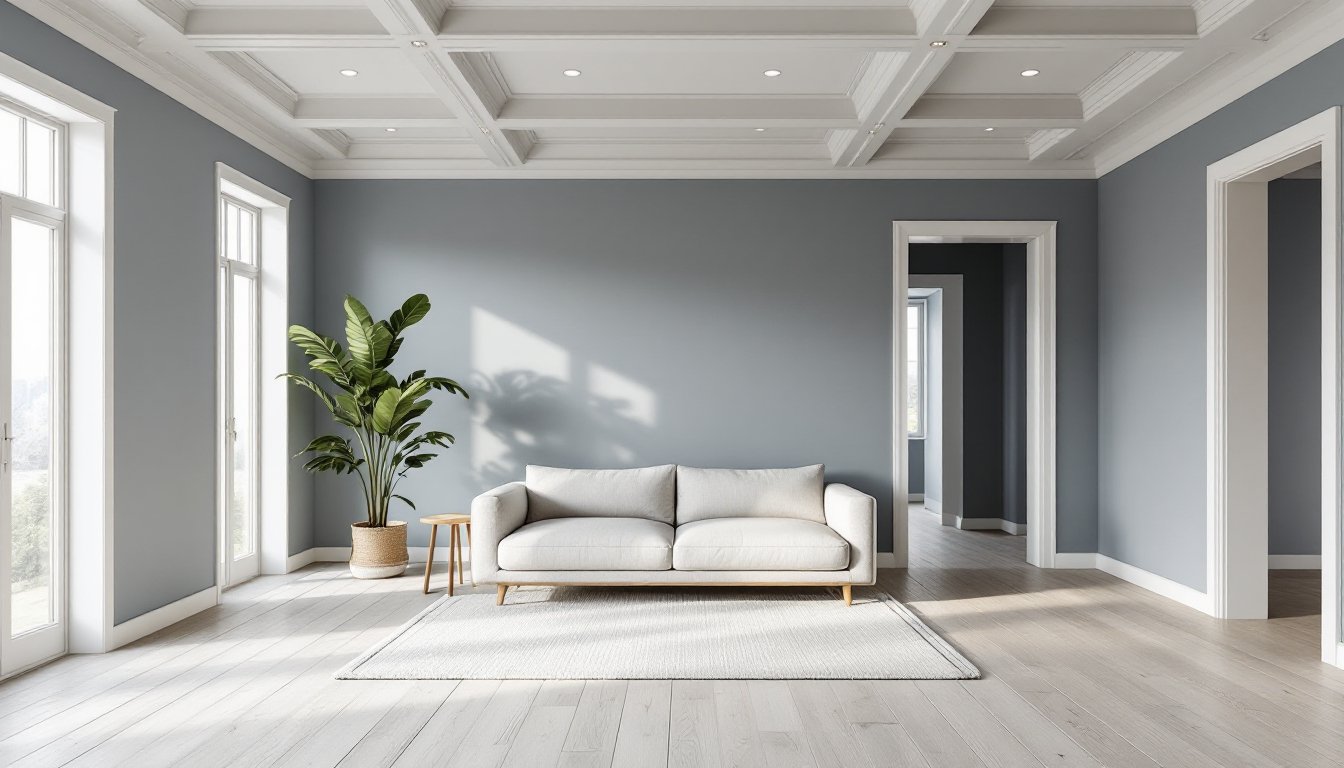
Six Walls Interior Design: Transform Your Space with This Bold Ceiling and Floor Approach
Most homeowners focus on the four vertical surfaces when designing a room, paint colors, accent walls, trim work. But there’s a fundamental design principle that accounts for all six surfaces: the four walls, plus the ceiling and floor. This approach, known as six walls interior design, treats every bounding surface as an intentional design opportunity. It’s not just decorator theory. When done right, it can make a cramped bedroom feel taller, a bland kitchen feel dynamic, or a generic living room feel custom-designed. This guide walks through what six walls design actually means, why it matters structurally and visually, and how to apply it room-by-room without blowing the budget or losing your mind.
Key Takeaways
- Six walls interior design treats the ceiling and floor as intentional design surfaces alongside the four walls, transforming how a room feels through coordinated choices on all six planes.
- Ceiling color directly affects perceived room height—darker ceilings feel cozier while lighter ceilings expand the visual space, making strategic ceiling treatment critical to interior design success.
- Flooring material choices (hardwood, tile, LVP) anchor the entire design and interact with ceiling selections; wide-plank flooring in larger rooms or color drenching in smaller spaces creates visual expansion.
- Material mixing should be limited to three families across all surfaces to avoid a showroom effect, and the 60-30-10 design rule helps balance dominant, secondary, and accent materials.
- Proper surface preparation, appropriate paint sheens for each surface, and lighting considerations before finalizing ceiling color prevent costly mistakes in six walls design execution.
- Small, intentional touches like extending backsplash tile to the ceiling in kitchens or running tile floor-to-ceiling in bathrooms create continuity while addressing moisture and durability demands.
What Is Six Walls Interior Design?
Six walls interior design is the practice of treating the ceiling and floor as integral design surfaces, not afterthoughts. Instead of painting walls one color and leaving the ceiling builder-white, this approach considers how all six planes interact with light, proportion, and material.
In practical terms, it means making deliberate choices about ceiling paint color or finish, flooring material and pattern, and how both relate to the wall treatment. A room isn’t a box with a lid and a bottom, it’s a volume. When someone walks in, their eye registers the entire envelope.
This doesn’t require exotic materials or contractor-level skills. It can be as simple as painting the ceiling a shade darker than the walls, choosing wide-plank flooring to visually widen a narrow hallway, or running the same tile from floor to mid-wall in a shower. The key is intentionality. Every surface gets a decision, not a default.
Historically, ceiling treatments were common in classical and Victorian homes, coffered ceilings, plaster medallions, painted murals. Modern six walls design borrows that awareness but applies it to contemporary materials: luxury vinyl plank, peel-and-stick ceiling tiles, or bold matte paint finishes.
Why the Ceiling and Floor Matter as Much as Your Walls
The ceiling represents roughly 20–25% of a room’s visible surface area in a standard 8-foot-high space, more in rooms with higher ceilings. Ignoring it is like painting three walls and skipping the fourth.
Ceiling color affects perceived height. Darker ceilings make a room feel cozier and lower: lighter ceilings lift the space. This isn’t subjective, it’s how the human eye processes contrast and dimension. Painting a ceiling the same color as the walls (a technique called “color drenching”) erases visual boundaries and makes small rooms feel larger.
Floors anchor the entire design. They’re the one surface every person physically interacts with, and they set the baseline for material choice. A whitewashed oak floor reads casual and coastal. Dark walnut reads formal. Polished concrete reads industrial. Each choice telegraphs intent.
From a construction standpoint, flooring also affects ceiling height. Installing 3/4-inch hardwood over a plywood subfloor vs. laying 5mm luxury vinyl plank (LVP) can mean a half-inch difference, critical in basements or older homes with low ceilings. Same logic applies overhead: adding a coffered ceiling or tongue-and-groove planking drops the ceiling plane, which can feel oppressive in a room under 8 feet.
Safety note: Any ceiling work requires a stable ladder or scaffolding. Use fall-rated planks between two ladders for wide rooms, not a sheet of plywood. Wear safety goggles, drywall dust and paint drips always find your eyes.
How to Apply Six Walls Design to Different Rooms
Bedrooms and Living Spaces
Bedrooms benefit from color drenching, painting walls and ceiling the same mid-tone or deep hue. This works especially well in smaller bedrooms (under 120 square feet), where visual breaks can make the space feel choppy. Choose a matte or eggshell finish to minimize light reflection and enhance the cocoon effect.
For flooring, consider the feel underfoot. Engineered hardwood or cork adds warmth. If budget is tight, a textured LVP in a wood-look finish offers sound dampening and comfort without the $8–$12/sq ft price tag of real hardwood.
Living rooms offer more flexibility. A coffered ceiling or exposed beam treatment can add architectural interest if ceiling height allows (minimum 9 feet recommended). For floors, wide-plank flooring (7 inches or wider) makes the room feel more expansive. Run planks parallel to the longest wall to emphasize length.
Avoid: Glossy ceiling paint in bedrooms, it reflects every flaw and catches light at odd angles.
Kitchens and Bathrooms
Kitchens and bathrooms face moisture, grease, and durability demands. The six walls approach here is as much about material performance as aesthetics.
In kitchens, extend backsplash tile to the ceiling in wet zones (behind the range, sink). This creates a visual “fifth wall” effect and eliminates the painted drywall gap that collects grease. For ceilings, use semi-gloss or satin paint, it’s wipeable and resists moisture better than flat.
Flooring should be water-resistant: porcelain tile, LVP with a waterproof core, or sheet vinyl. Avoid laminate in kitchens, it swells at the seams if water sits.
Bathrooms are the easiest space to embrace six walls design. Run the same 12×24-inch porcelain tile from floor to ceiling in the shower, then carry it across the bathroom floor. This creates continuity and simplifies waterproofing (one material, one grout line standard).
Code consideration: Bathrooms require moisture-resistant drywall (greenboard or cement board) behind tile in wet areas per IRC Section R702.4. If the ceiling is directly above a shower, consider a mold-resistant paint or a PVC beadboard ceiling panel.
Safety: Wet tile is slippery. Choose a floor tile with a COF (coefficient of friction) rating of 0.60 or higher for slip resistance.
Color and Material Strategies for a Cohesive Six Walls Look
Start with a base neutral for either the floor or ceiling, then layer contrast or tone-on-tone color on the other surfaces. For example: a light oak floor, soft gray-blue walls, and a ceiling two shades lighter than the walls. This creates depth without visual chaos.
Monochromatic schemes work best in small or oddly shaped rooms. Paint everything, trim included, one color in varying sheens (flat on ceiling, eggshell on walls, satin on trim). This erases boundaries and makes architectural quirks disappear.
Contrast schemes suit larger, well-lit rooms. Pair a dark charcoal ceiling with white or cream walls and medium-toned wood floors. The ceiling acts as a visual anchor, drawing the eye up and making the space feel curated.
Material mixing requires restraint. Limit yourself to three material families across all six surfaces (e.g., painted drywall, natural wood, and one tile or stone). More than that and the room starts to feel like a showroom, not a home.
Pro tip: Use the 60-30-10 rule across all surfaces. 60% dominant material (usually walls), 30% secondary (floor), 10% accent (ceiling or a feature element like a wood plank accent ceiling).
When choosing paint, test samples on all surfaces, not just walls. A color that looks soft on drywall can look garish on a smooth ceiling under recessed lighting. Paint a 2×2-foot section of ceiling and floor (if painting concrete or a deck) and live with it for a few days.
Common Mistakes to Avoid When Designing All Six Surfaces
Ignoring lighting. A ceiling color looks completely different under LED recessed cans vs. a central pendant with a warm bulb. Install lighting before finalizing ceiling color, or at least test paint samples under the planned light source.
Skipping surface prep. Ceilings show roller marks, drips, and texture flaws more than walls because of how light rakes across them. Always prime new drywall and sand any rough patches with 120-grit sandpaper before the finish coat. For floors, subfloor prep is non-negotiable, any dip or hump telegraphs through LVP or hardwood.
Choosing the wrong sheen. Flat paint hides ceiling imperfections but can’t be cleaned. Semi-gloss shows every taping flaw but wipes clean. Match sheen to function: flat or matte for low-traffic bedroom ceilings, eggshell or satin for kitchens and baths.
Overcomplicating the floor. Intricate tile patterns or mixed-width plank floors can clash with bold ceiling treatments. If the ceiling is doing the heavy lifting design-wise, keep the floor simple and vice versa.
Forgetting about HVAC and access. Painting a ceiling dark looks great until you need to cut in a new recessed light or chase down a plumbing leak. If there’s any chance of needing ceiling access (older homes, unfinished mechanical systems), consider a drop ceiling or leave an access hatch.
Not accounting for trim. Crown molding, baseboards, and door casings are the “seventh wall”, they frame all six surfaces. If they’re builder-grade or inconsistent, even a perfect six walls design will look unfinished. Budget for paint-grade MDF trim at minimum, or skip trim entirely and run drywall to a clean edge for a modern look.
Finally, don’t rush decisions. Flooring and ceiling treatments are expensive to redo. Live with paint samples, order material samples, and walk the room at different times of day. The extra week of planning beats a year of regret.