

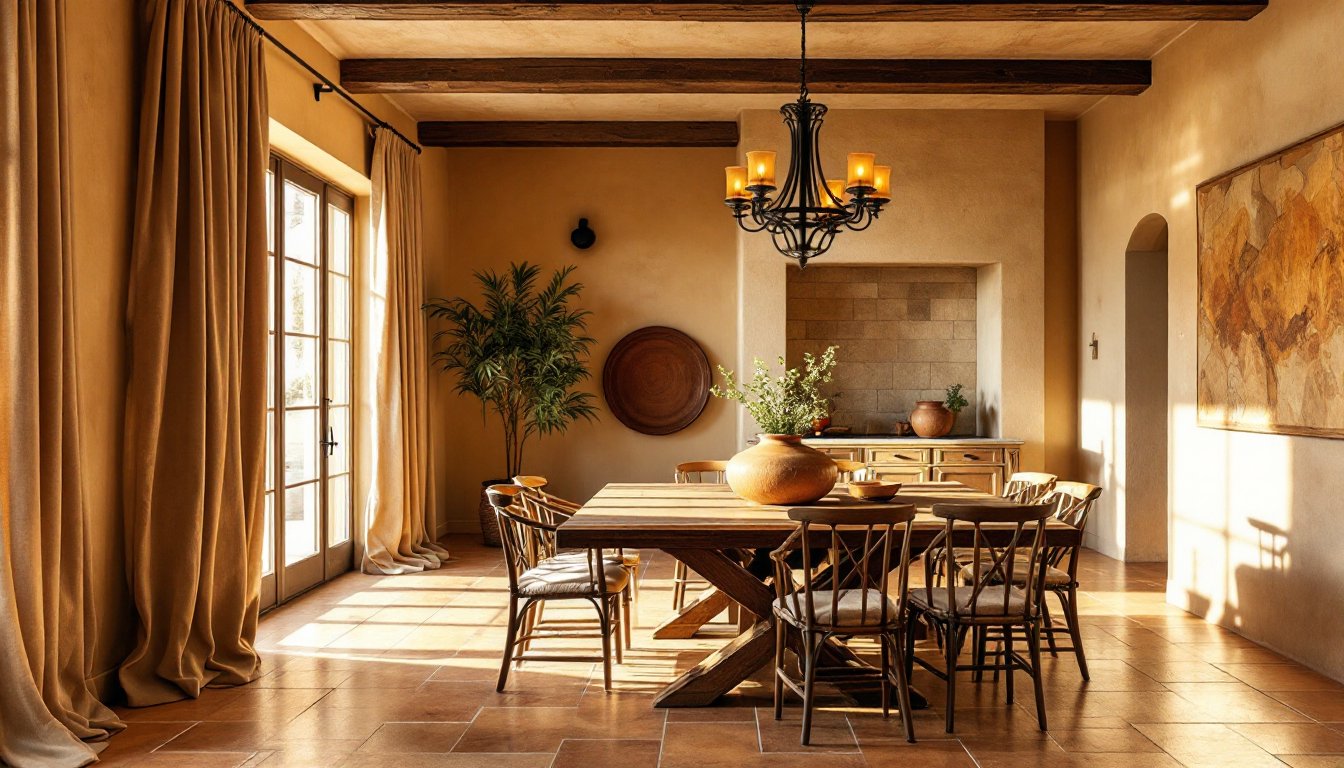
Tuscan Interior Design: How to Bring Timeless Italian Elegance Into Your Home
Tuscan interior design doesn’t require a villa in the Italian countryside, it brings Old World charm into real homes through strategic material choices and color discipline. This style, rooted in the rural architecture of Tuscany, emphasizes natural textures, warm tones, and handcrafted details that age gracefully. Unlike trends that demand constant updates, Tuscan interiors improve with wear. Homeowners who understand the core principles can transform spaces without gut renovations, using finishes, furnishings, and architectural accents that evoke sun-drenched hillsides and centuries-old farmhouses.
Key Takeaways
- Tuscan interior design relies on foundational materials like natural stone, terracotta tile, and textured plaster rather than decorative accessories to achieve authentic character.
- Warm, earthy color palettes inspired by the Italian landscape—ochre, burnt sienna, olive green, and light terracotta—form the core of Tuscan style without cool grays or stark whites.
- Exposed or faux wood beams, wrought-iron fixtures, and varied texture variations are signature Tuscan elements that improve with age and develop patina over time.
- Prioritize flooring and wall finishes before purchasing furniture, as proper textured plaster and quality tile create a Tuscan atmosphere with minimal additional styling.
- Avoid common mistakes like synthetic materials, excessive decorative themes, and poor texture quality; restraint and quality craftsmanship preserve the authentic Tuscan aesthetic.
- Tuscan interiors require investment in real wood, stone, metal, and natural fabrics that age gracefully rather than trendy finishes that quickly become dated.
What Is Tuscan Interior Design?
Tuscan interior design draws from the rural homes and villas of central Italy, where centuries of Mediterranean climate and agrarian life shaped material choices and building techniques. The style prioritizes durability and natural beauty over ornamentation, think exposed ceiling beams, terracotta tile floors, and thick plaster walls that keep interiors cool.
Authentic Tuscan design relies on materials that were historically available: stone, clay, timber, and lime-based finishes. Colors reflect the surrounding landscape, ochre, sienna, olive green, and burnt orange, rather than bright or synthetic tones. Furnishings tend toward solid wood construction, wrought iron hardware, and textiles in linen or wool.
This isn’t a style that works with particle board or vinyl flooring. Tuscan interiors gain character through texture variation, rough stone paired with smooth plaster, aged wood against hand-forged metal. The aesthetic tolerates imperfection: in fact, it depends on it. Machine-made uniformity reads as inauthentic.
Homeowners should note that achieving genuine Tuscan style requires investment in quality materials rather than décor alone. Surface treatments matter more than accessories. A room with proper plaster texture and stone tile can feel Tuscan with minimal furnishings, while a space filled with decorative accents but lacking foundational materials will miss the mark.
Essential Elements of Tuscan Style
Natural Materials and Textures
Tuscan interiors depend on materials that show their origins. Terracotta tile, especially in 12″×12″ or larger squares with irregular surface texture, works for floors and backsplashes. Salvaged or tumbled stone, travertine, limestone, or sandstone, adds authenticity to flooring, countertops, or accent walls. Avoid perfectly uniform tile layouts: traditional Tuscan floors often use varied sizes or herringbone patterns.
Exposed wood beams are signature elements, but not every home has structural beams to reveal. Faux beams can work if they’re solid wood or high-quality polyurethane with hand-hewn texture, skip the plastic-look products. Beams should be stained in darker tones (walnut, espresso, or weathered oak) to contrast with lighter ceilings.
Plaster walls create the textured, slightly uneven surface that defines Tuscan interiors. Standard drywall with flat paint won’t deliver this effect. Options include Venetian plaster (a lime-based finish applied in thin layers), textured joint compound troweled in irregular patterns, or specialty plaster products like Behr’s Venetian Plaster or lime washes. These finishes require skill, homeowners uncomfortable with trowel techniques should hire a decorative painter.
Wrought iron appears in light fixtures, stair railings, curtain rods, and hardware. Look for hand-forged or hammered finishes rather than smooth powder-coated steel. Copper and bronze also fit, especially in kitchen range hoods or sink fixtures.
Warm, Earthy Color Palettes
Tuscan color schemes pull directly from the Italian landscape: clay soil, olive groves, sunbaked stone, and aged frescoes. Base walls in warm neutrals, ochre, sand, cream, or light terracotta. Avoid cool grays or stark whites, which feel too modern.
Accent walls or architectural details can use deeper tones: burnt sienna, Tuscan red (a rusty orange-red), deep gold, or olive green. These work best on single walls, in dining rooms, or above wainscoting to avoid overwhelming a space.
Paint sheen matters. Flat or matte finishes enhance the plaster texture, while satin or eggshell can work in kitchens and baths where washability is needed. High-gloss finishes break the aesthetic.
Wood tones should be medium to dark, cherry, walnut, or aged oak. Avoid blonde woods or gray-washed finishes, which lean Scandinavian. For cabinetry, distressed finishes or visible wood grain maintain the rustic feel.
Fabrics introduce color through texture rather than pattern. Linen drapes in natural or wheat tones, wool throws in rust or olive, and cotton upholstery in solid earth tones align better than florals or geometric prints. If pattern appears, it’s typically in small doses, a subtle damask or a faded Persian rug.
How to Create a Tuscan-Inspired Living Space
Start with flooring and wall finishes, not furniture. If existing flooring is incompatible (wall-to-wall carpet, laminate, or light hardwood), prioritize replacement or overlay. Terracotta-look porcelain tile offers durability with less maintenance than authentic clay tile, which can stain and chip. For hardwood lovers, wide-plank oak or hickory in darker stains mimics the effect.
Walls need texture. If full plaster application is beyond budget, apply textured joint compound over drywall. Mix all-purpose joint compound to a thick consistency, apply with a trowel in random strokes, then knock down high spots with a drywall knife once partially dry. After priming, use two-tone painting techniques, apply a base color, then dry-brush or sponge a slightly darker or lighter shade over the texture. This creates depth without perfect execution.
Ceiling treatments define the style. Exposed beams are ideal, but even adding faux beams in a grid or parallel pattern changes the entire room’s character. For 8-foot ceilings, run beams parallel to the longest wall to avoid a cramped feel. For 9-foot or higher ceilings, a coffered or crossed-beam layout works. Secure faux beams to ceiling joists with construction adhesive and screws driven into blocking.
Lighting should feel Old World. Swap out modern fixtures for wrought-iron chandeliers, lantern-style pendants, or wall sconces with amber or frosted glass. Edison-style bulbs in warm white (2700K) provide the right glow. Avoid recessed can lights as primary lighting, they’re too contemporary. If recessed lights exist, supplement with statement fixtures.
Furnishings should emphasize wood and metal over upholstered pieces. A solid wood dining table with turned legs or a trestle base anchors a Tuscan dining room better than a glass or chrome table. Chairs can mix wood with upholstered seats in leather or linen. For living areas, a leather sofa in caramel or chocolate brown fits better than fabric sectionals in trendy colors.
Accessorize with intention. Tuscan style doesn’t rely on clutter. A few key pieces, ceramic pottery, an iron candelabra, or a large wooden bowl, create more impact than shelves full of knick-knacks. Avoid mass-produced décor: hit antique shops or import stores for handmade or vintage items.
Kitchens benefit from stone or tile backsplashes (travertine, tumbled marble, or terracotta subway tiles), open shelving with brackets in wrought iron or wood, and cabinetry in distressed finishes. If replacing cabinets isn’t feasible, add crown molding, corbels, or change hardware to oil-rubbed bronze or hammered copper. A farmhouse sink in fireclay or copper reinforces the aesthetic.
Tuscan Design Mistakes to Avoid
Overdoing the theme. Tuscan design becomes parody when every surface screams “Italy”, faux-painted grapevines, rooster motifs, and tchotchkes labeled “Tuscany” cheapen the look. Restraint preserves authenticity. Choose foundational materials over decorative excess.
Mixing incompatible styles. Tuscan interiors clash with industrial metal furniture, mid-century modern lighting, or farmhouse shiplap. The style has a strong identity, attempting fusion usually fails. If the existing home leans modern, a Mediterranean-inspired approach (lighter, airier) may work better than full Tuscan.
Ignoring scale. Heavy wood beams and dark cabinetry can overwhelm small rooms or homes with low ceilings. In compact spaces, limit dark wood to furniture and use lighter plaster tones on walls and ceilings. Reserve bold colors for accents rather than entire rooms.
Skipping texture. Flat paint on smooth drywall with generic tile doesn’t evoke Tuscany, no matter the color. Texture is non-negotiable. If budget is tight, prioritize textured walls over expensive furnishings.
Using synthetic materials. Vinyl faux wood, plastic beams, or polyester curtains betray the aesthetic immediately. Tuscan style depends on how materials catch light and age. Real wood, stone, metal, and natural fabrics are worth the investment. If genuine materials are unaffordable in a certain area, leave that element plain rather than faking it poorly.
Forgetting function. Tuscan design evolved from practical rural living. Open shelving and terracotta floors are beautiful but require upkeep. Terracotta needs sealing to resist stains: open shelves collect dust. Homeowners should balance authenticity with livability, sealed stone, for instance, is smarter than unsealed clay in high-traffic kitchens.
Conclusion
Tuscan interior design rewards patience and material integrity over quick decorating fixes. Homeowners who invest in foundational finishes, textured plaster, quality tile, solid wood, and wrought iron, create spaces that improve with age rather than date. The style isn’t for everyone, but those drawn to warm, textured, and grounded interiors will find Tuscan design both livable and enduring.